Borrowing bedding for a first short camping trip
Check the parts, fit and return conditions of borrowed sleeping equipment before spending on a complete new setup.
Updated:
Borrow a complete arrangement, not an isolated bag
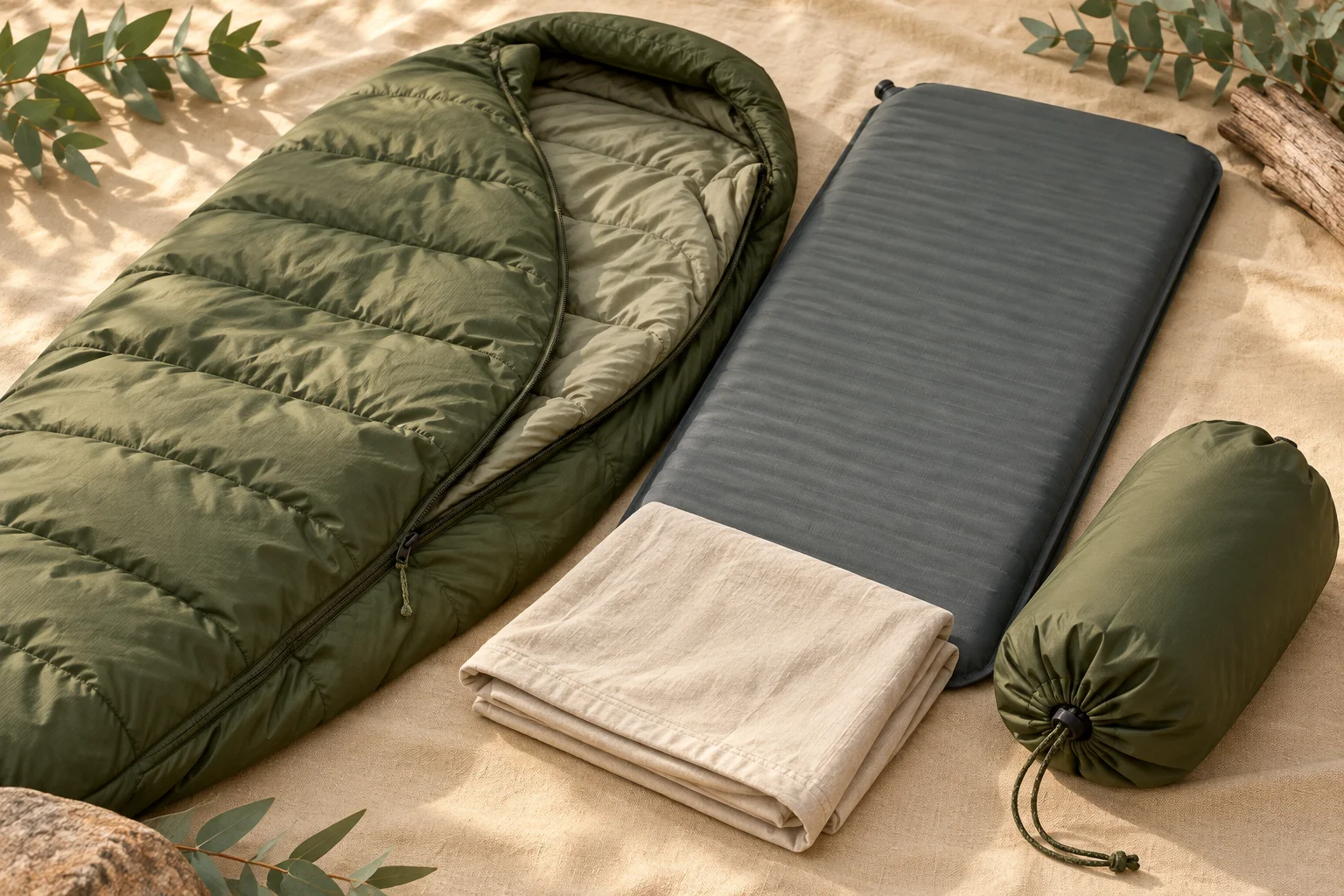
For a first short camping trip, borrowing can reveal which equipment suits your own packing and sleeping routine before you buy. Start with a list of the actual components being offered. A sleeping bag, a mat, an inflation accessory and a carry sack perform different jobs; one borrowed item does not establish that the whole arrangement is suitable. This guide organises questions to ask the owner, without assigning temperature performance to an unverified product. Parks Victoria recommends practising with camping equipment before leaving, in guidance reviewed on 2026-10-27. Apply that principle to borrowed equipment as carefully as newly purchased gear.
Record the model and the permission to use it
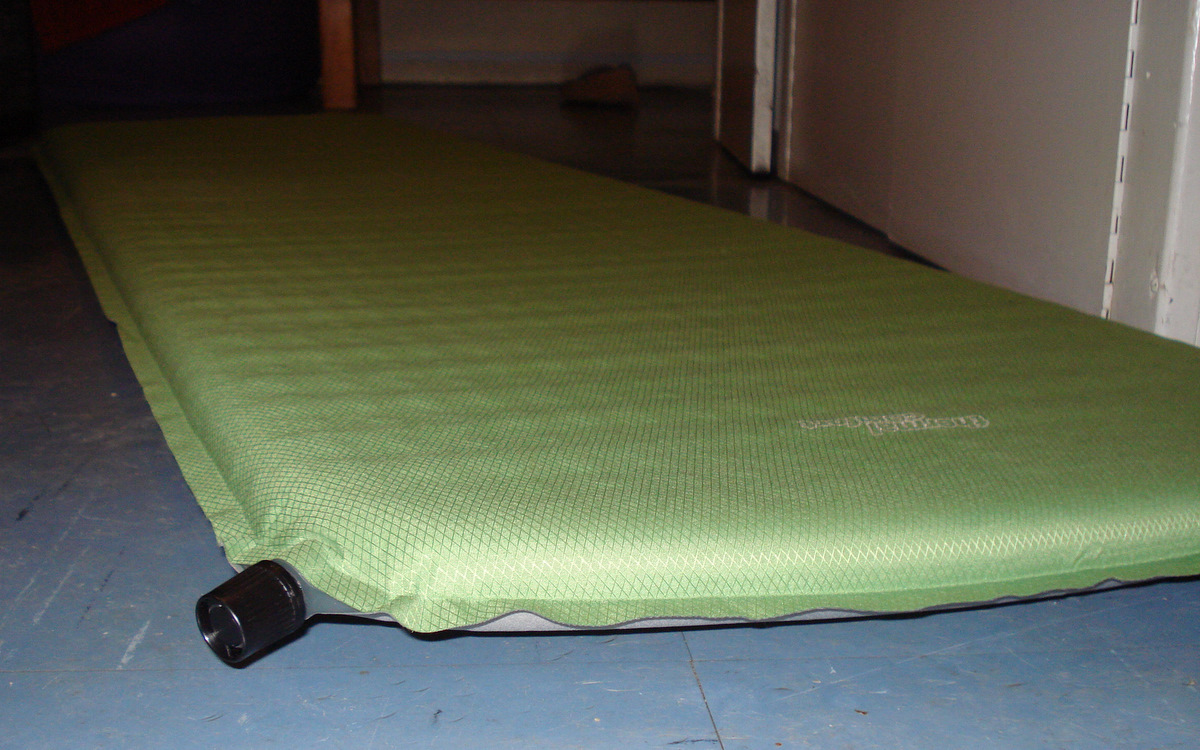
Ask for the exact model, its instructions, known damage and the conditions under which the owner is comfortable lending it. A handwritten description such as warm bag is not a substitute for a readable label or specification. Confirm whether the item may be used in your planned setting and whether cleaning or repair must be approved first. The photograph of a self-inflating mat shows a valve that needs model-specific handling; it does not demonstrate that every mat inflates or closes in the same way. Keep instructions available offline rather than relying on the owner answering a late message.
Count sleeping places and complete sets separately
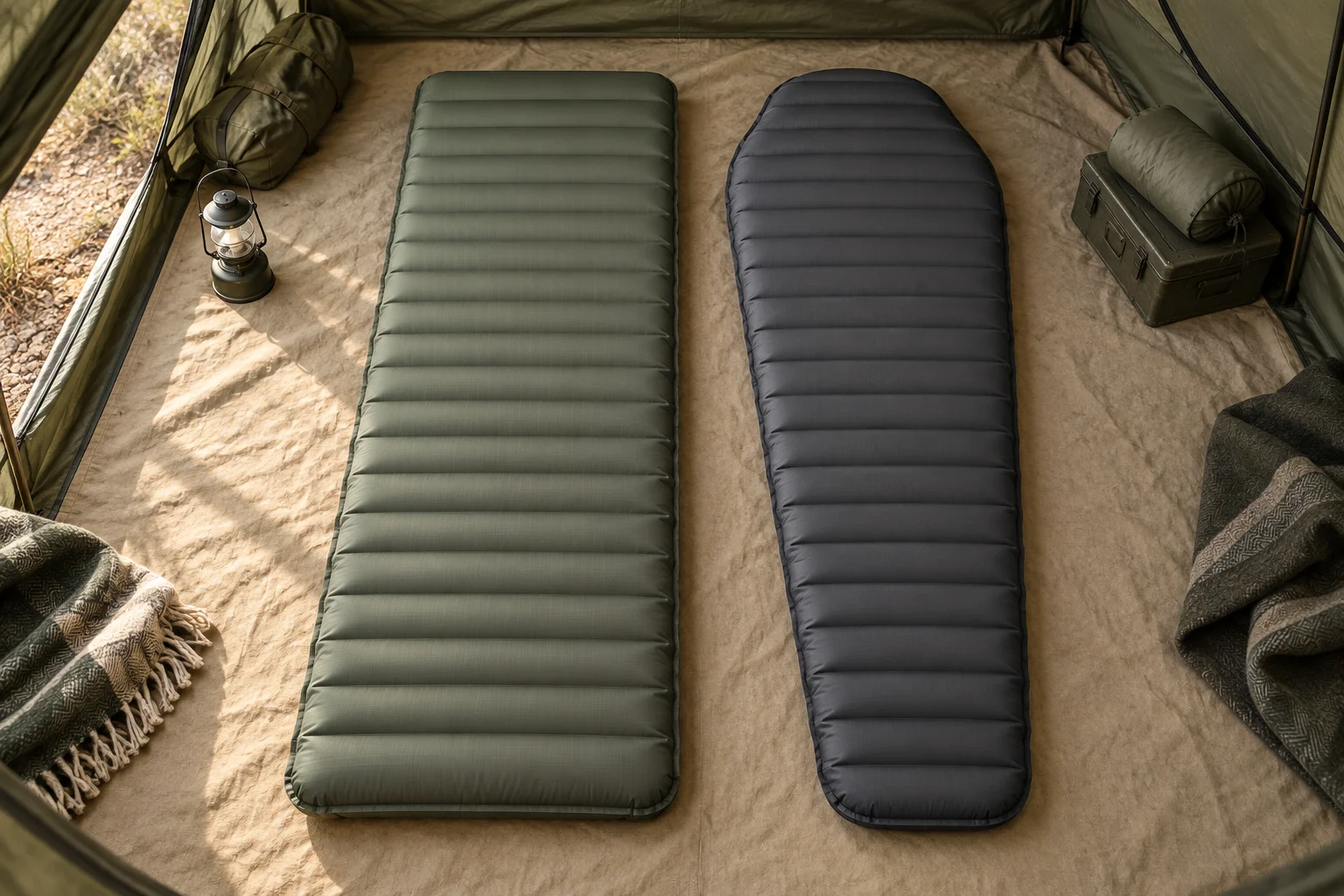
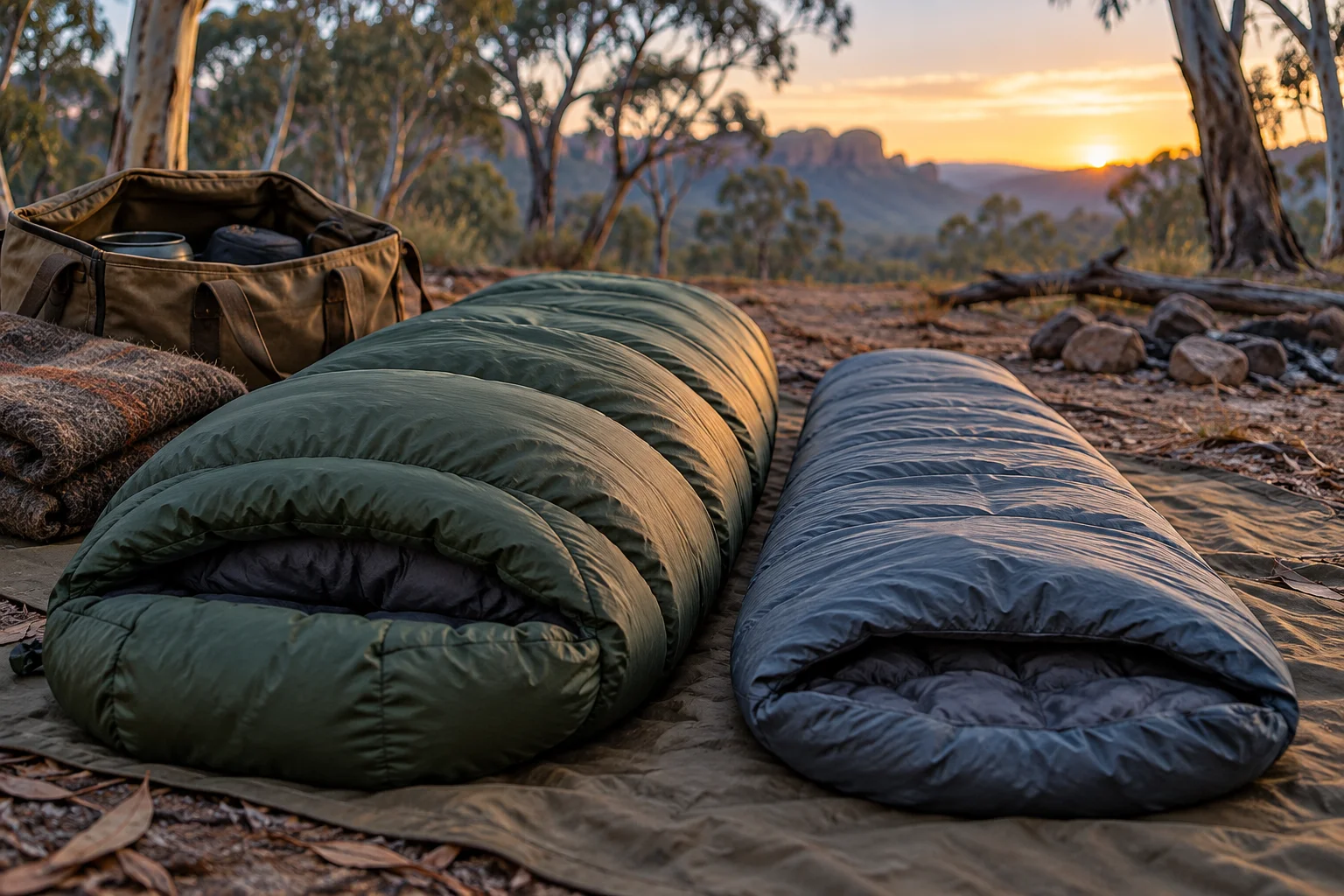
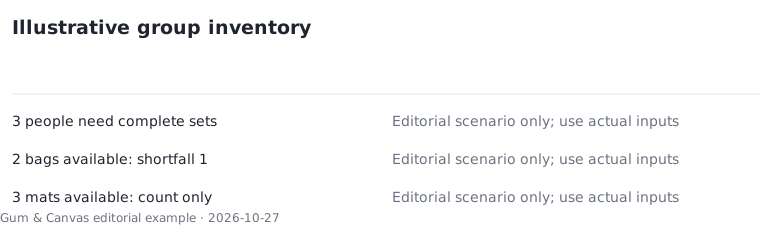
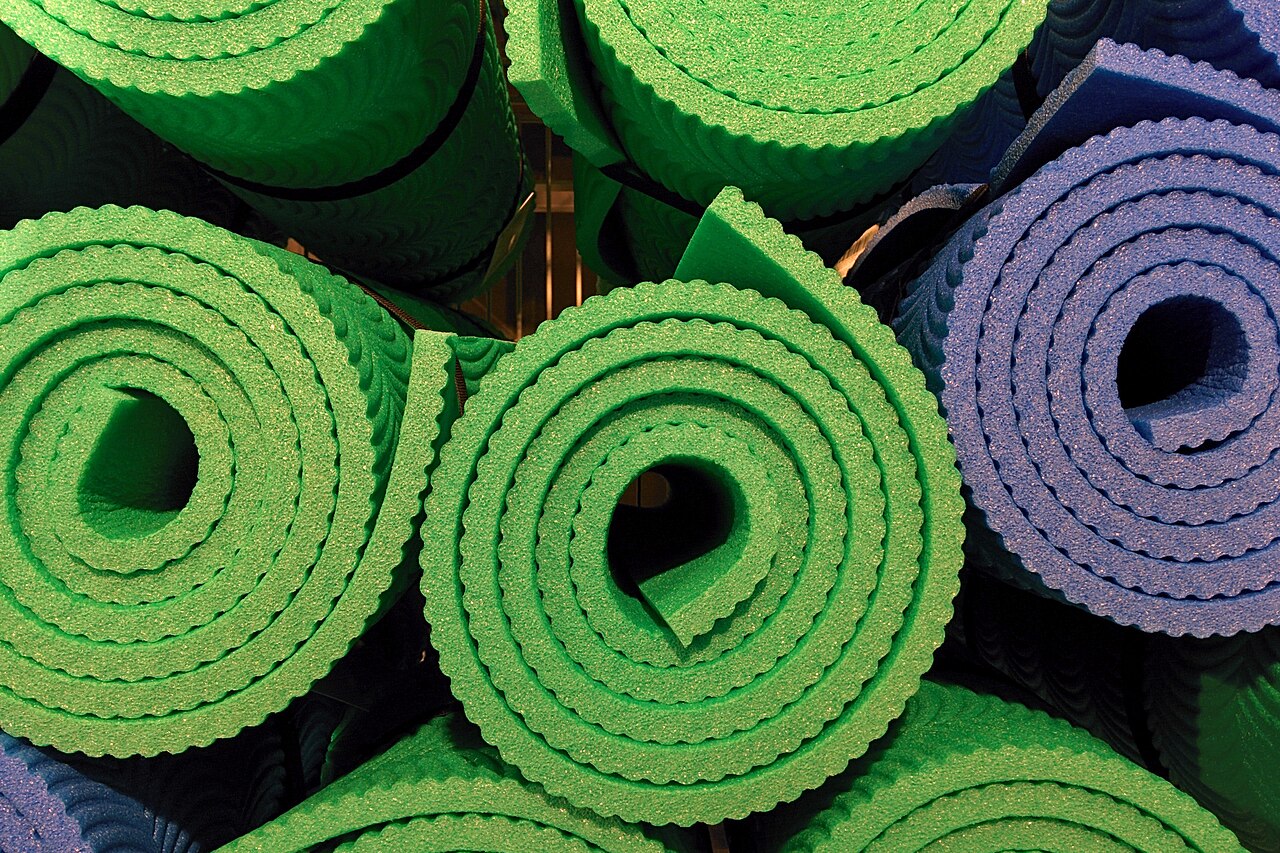
Consider an illustrative group of 3 people with 2 borrowed sleeping bags and 3 mats. There are enough mats by count, but the bag inventory has a shortfall of 1. That arithmetic says nothing about warmth, hygiene, fit or suitability. Label each proposed set by person and check every component separately. The photograph of rolled foam mats illustrates a different construction from the valve-equipped mat: do not assume the same packing method or cleaning instructions. If one person cannot be matched to a suitable complete set, resolve that gap before the departure decision rather than averaging equipment across the group.
Try the combination and write down what does not fit
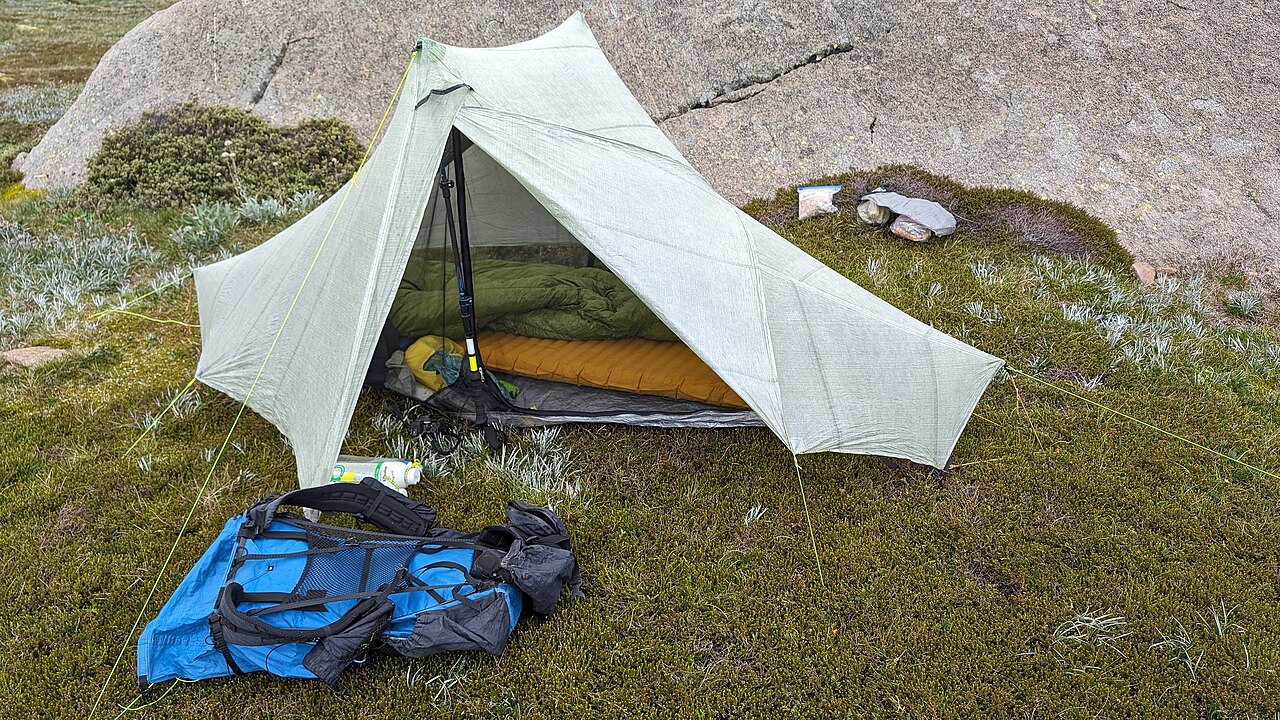
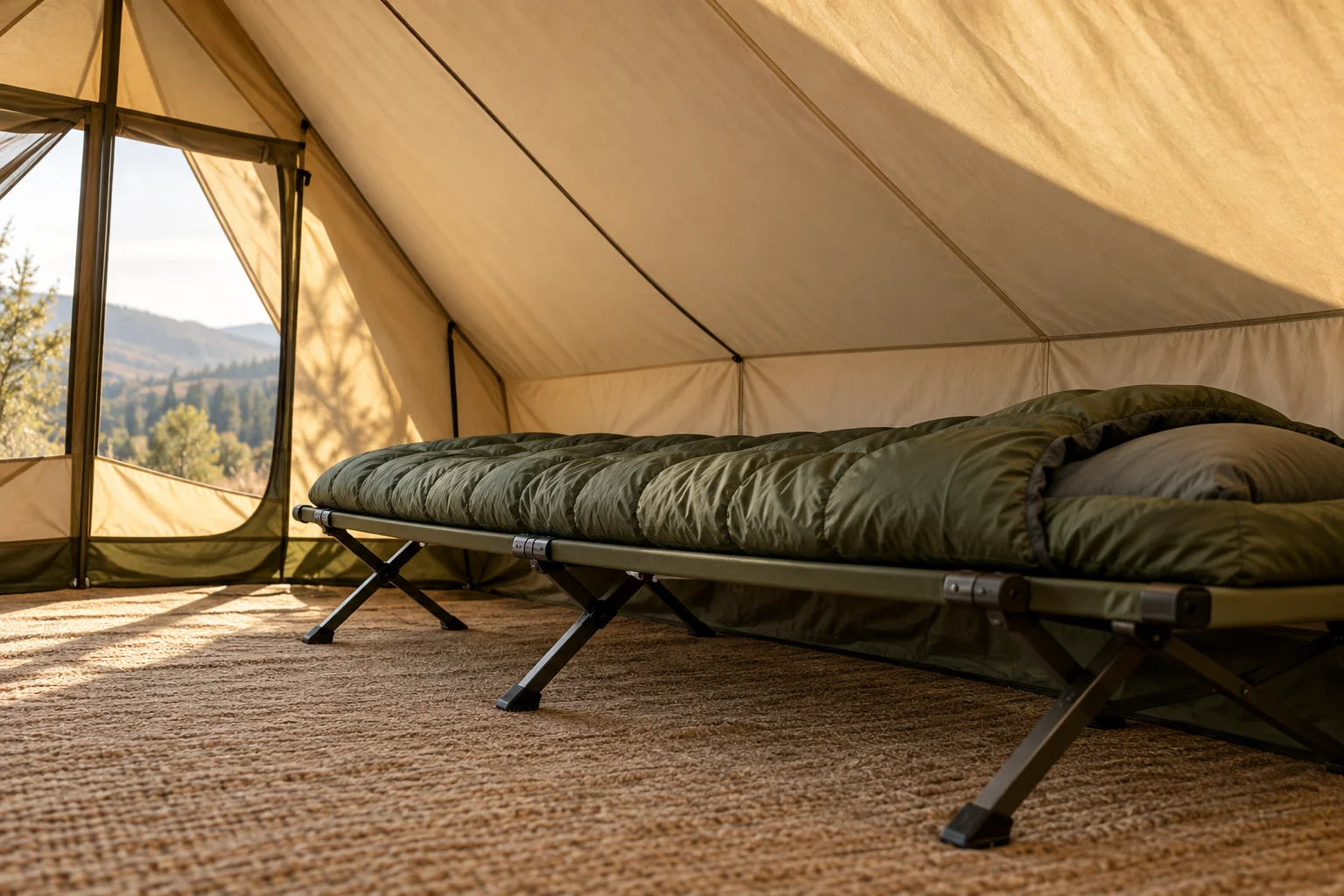
Lay out the borrowed bedding in the tent you intend to use and follow the equipment instructions. Check the actual mat outline, sleeping bag movement and space left for the doorway. In an illustrative trial, allow 20 minutes for arranging the items and 10 minutes for repacking; the 30-minute total is a planning allowance, not a performance benchmark. The campsite kit photograph shows several separate objects in one sleeping arrangement, which is why borrowing a single bag leaves other questions unanswered. A short home trial can expose a packing problem, but cannot establish suitability for future overnight weather.
Agree on a return plan before packing the car
Record who supplied each item, which accessories belong with it and the agreed return date. Ask the owner and consult the manufacturer before washing, drying or repairing anything. Allow time after the trip for the required care, rather than promising a return while equipment may still need attention. The useful outcome is a named complete set for each person and a written list of any unresolved issues. If the planned conditions exceed the information available about the borrowed kit, change the equipment or trip plan. Borrowing can help you learn preferences; it is not a reason to waive the suitability checks.