Questions to ask before choosing a sleeping bag for a Victorian trip
Collect the destination, model and sleeping-system information needed for a useful retailer conversation.
Updated:
Turn a vague warmth request into a specific enquiry
Before choosing a sleeping bag for a Victorian camping trip, write down the destination, dates and sleeping arrangement you are considering. Parks Victoria's packing checklist calls for a sleeping bag appropriate to the climate; the page was reviewed on 2026-10-27. That is a reason to investigate conditions and the exact equipment, not a basis for this guide to invent a universal temperature recommendation. We have not tested sleeping bags and do not rank models here. A useful enquiry starts with what is known, what is uncertain and which person will be using the equipment.
Ask what the label actually describes
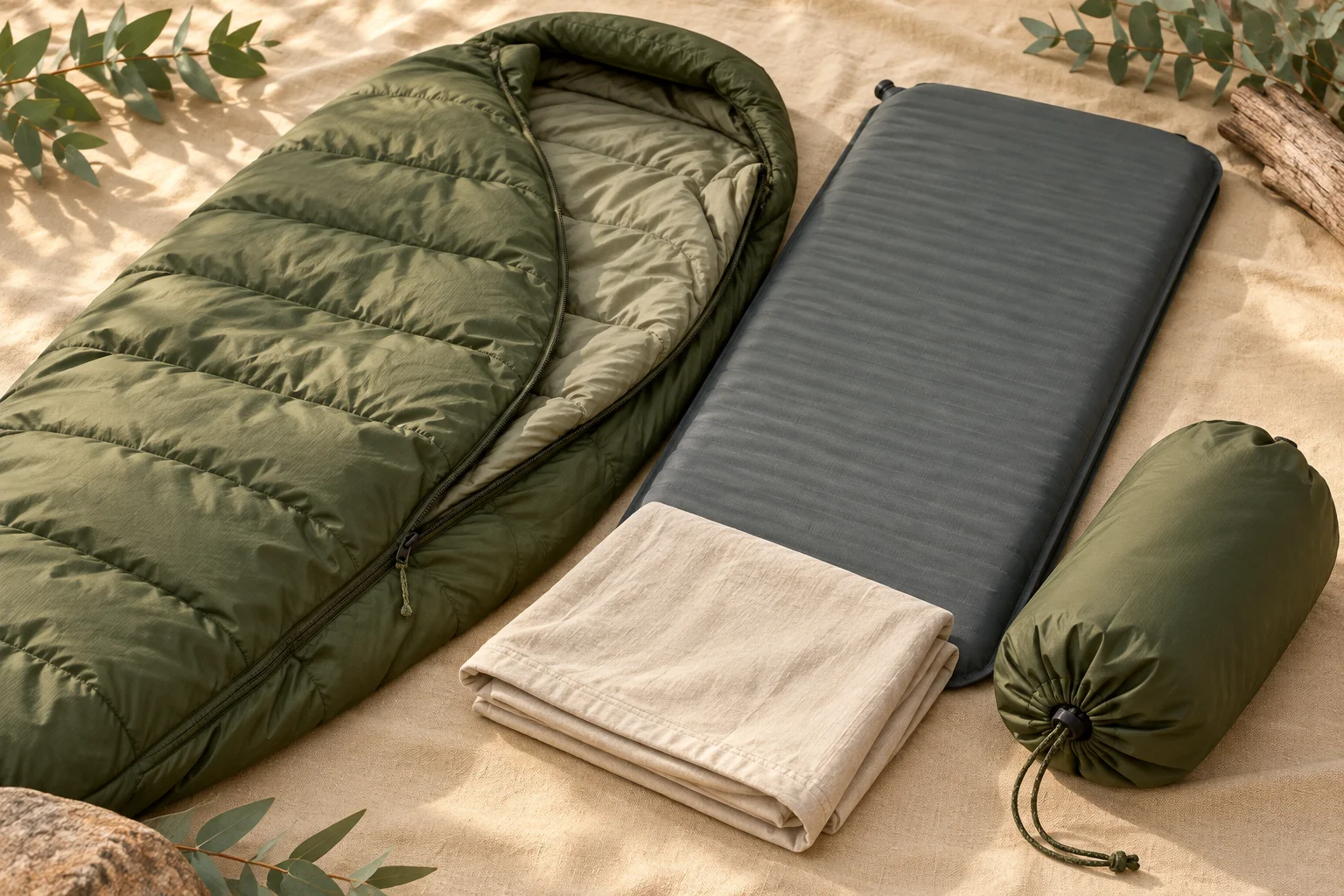
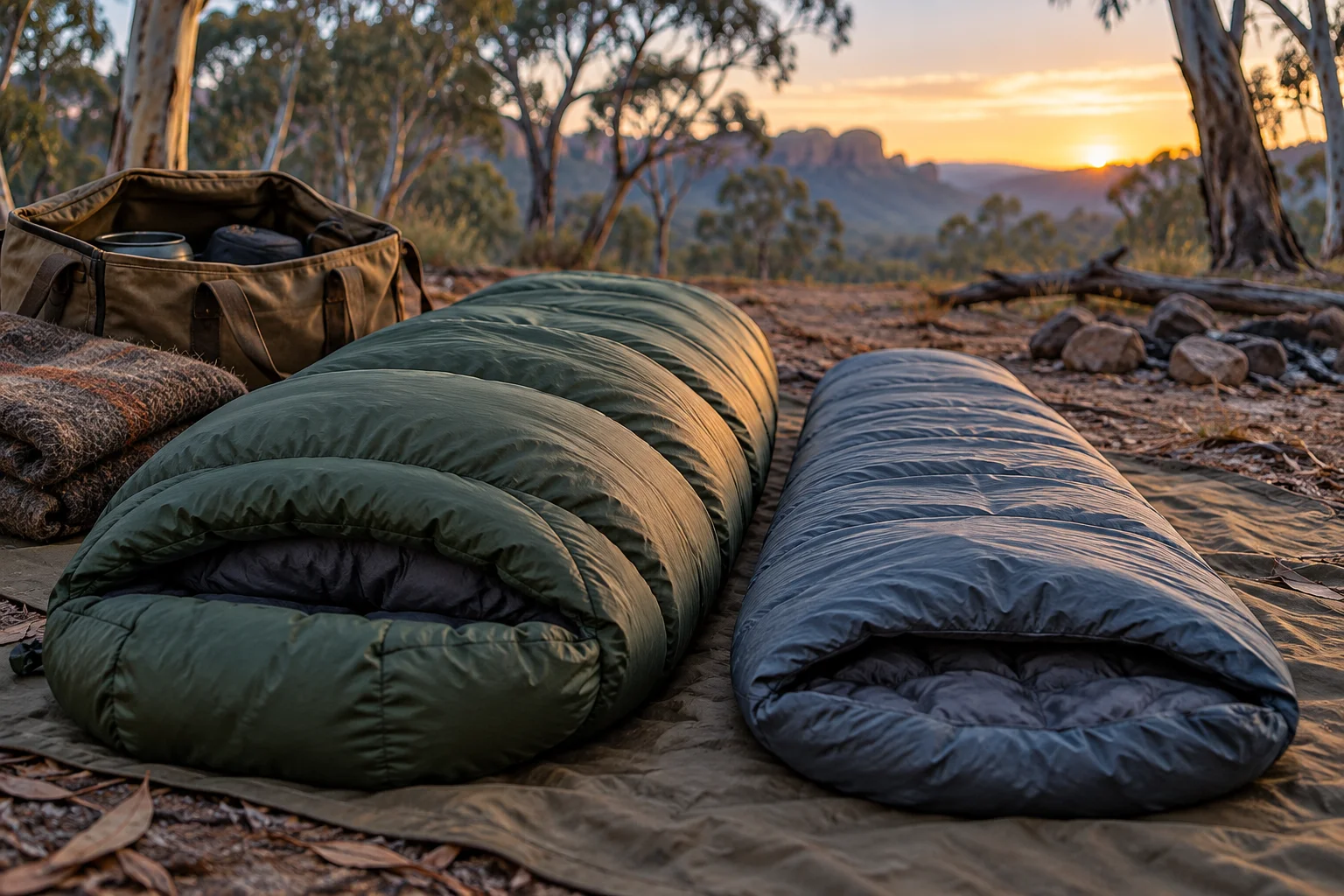
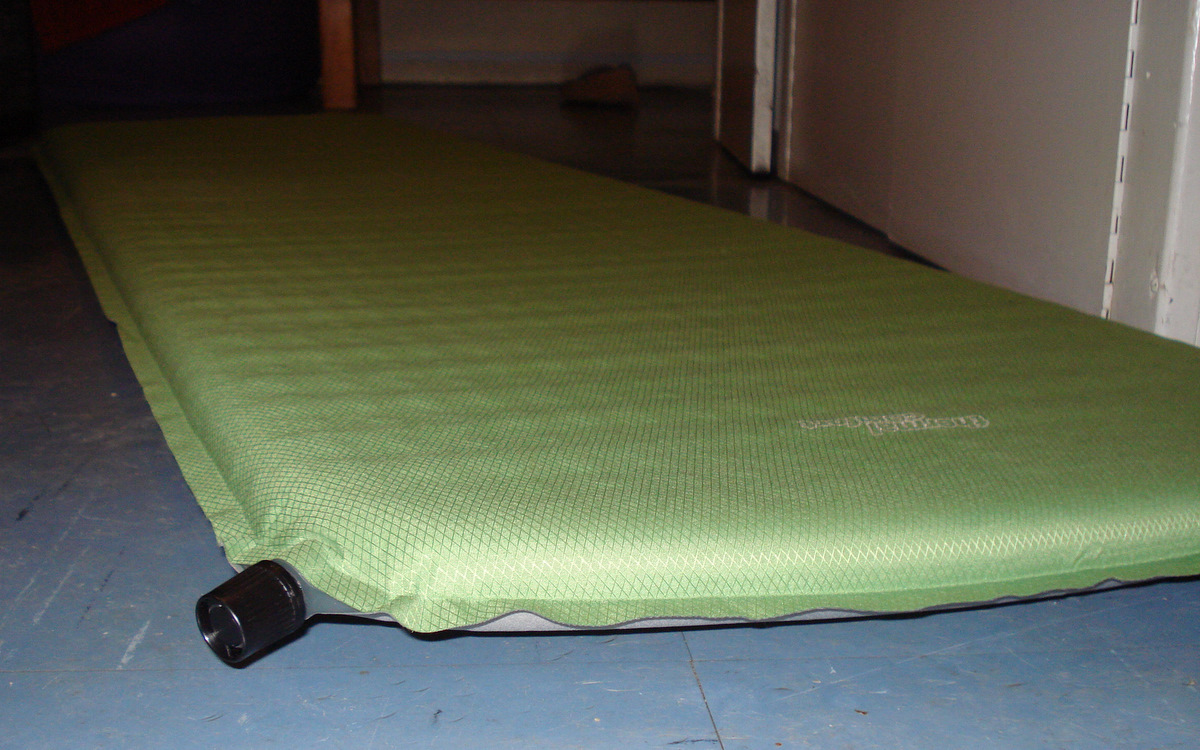
Request the manufacturer's explanation of any rating and the conditions or standard behind it. Distinguish a model specification from a retailer's descriptive phrase. Do not treat the thick appearance of a bag in a photograph as evidence of measured warmth. Ask whether the available information applies to the exact size and version you are considering. Keep a copy of the answer with the model name rather than remembering a number without its meaning. The valve-equipped mat photograph illustrates another component of the sleeping arrangement; this article assigns no insulation value to that photographed item or to a mat you already own.
Describe the whole arrangement, including the mat
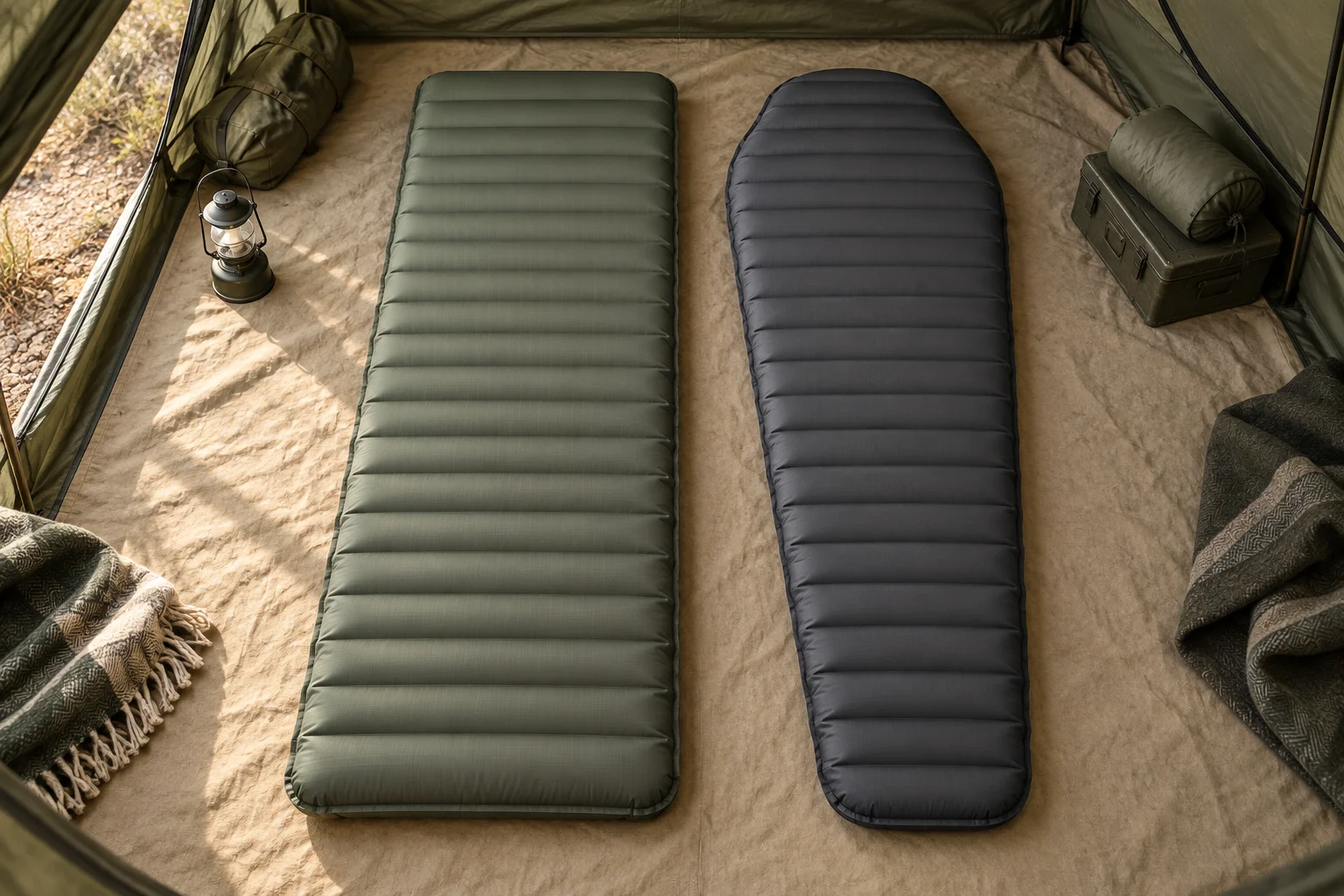
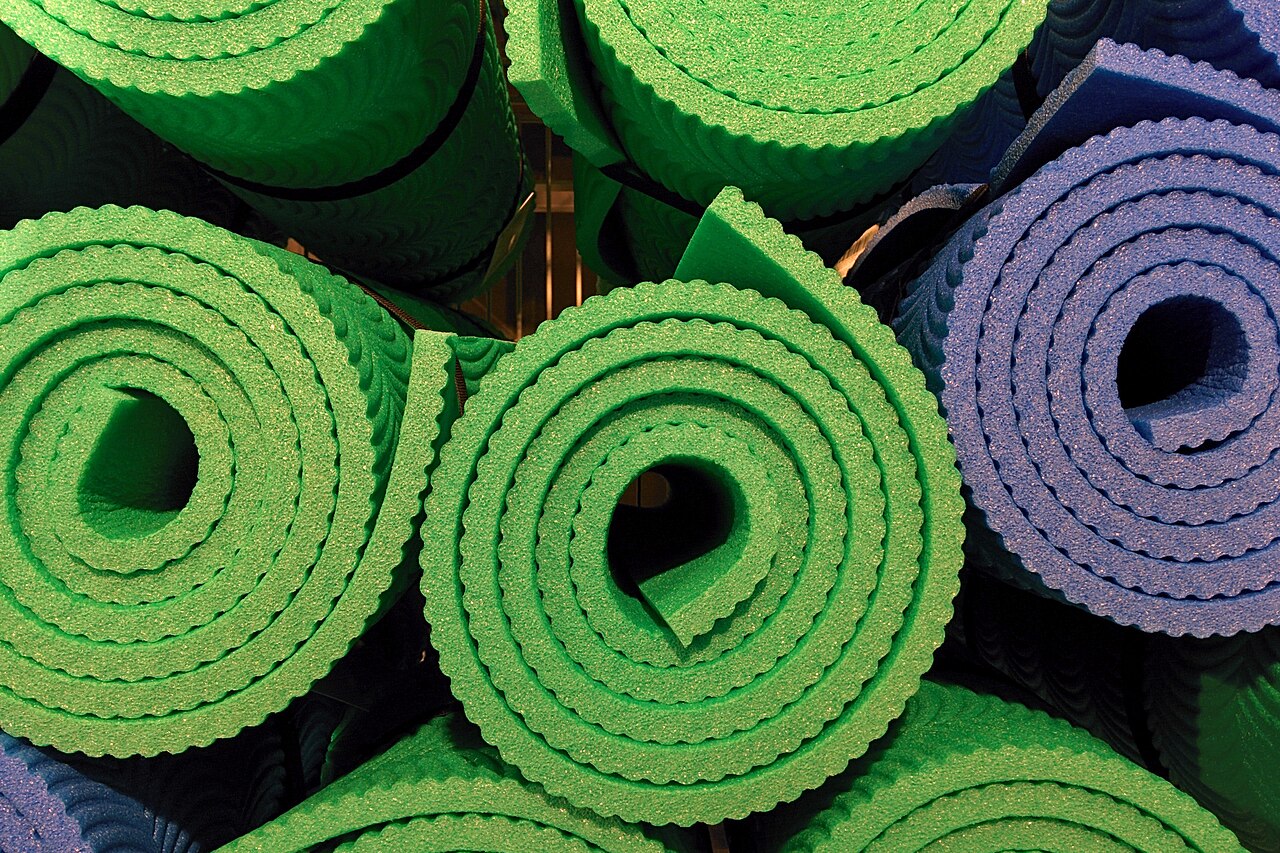
A conversation about a bag is more useful when the other components are identified. List the mat, tent, intended clothing arrangement and any uncertainties the supplier asks you to clarify. For an illustrative enquiry involving 2 people, create 2 separate user records; do not copy one person's assumptions automatically to the other. The rolled foam mats photograph shows a different type of under-body component from the self-inflating example. Appearance alone cannot establish how the two compare. Ask for relevant model information and qualified advice where individual needs or exposure concerns make a generic shopping checklist inadequate.
Budget for the information-gathering step
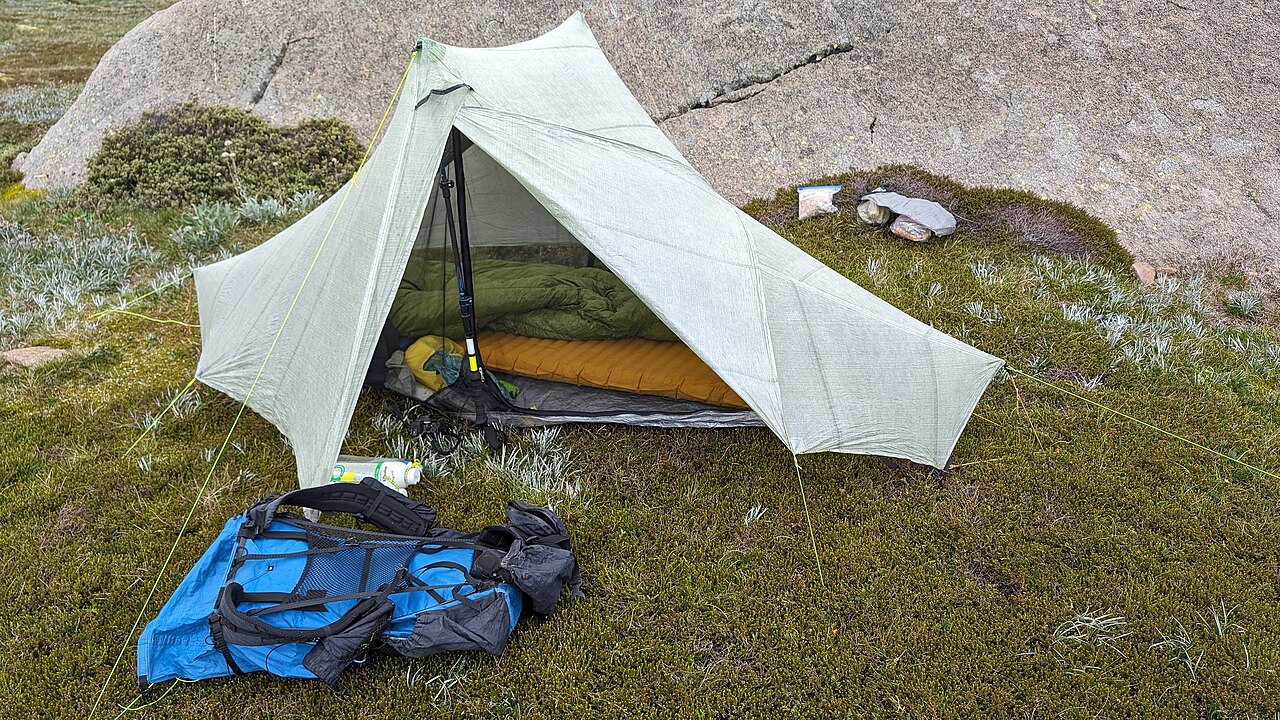
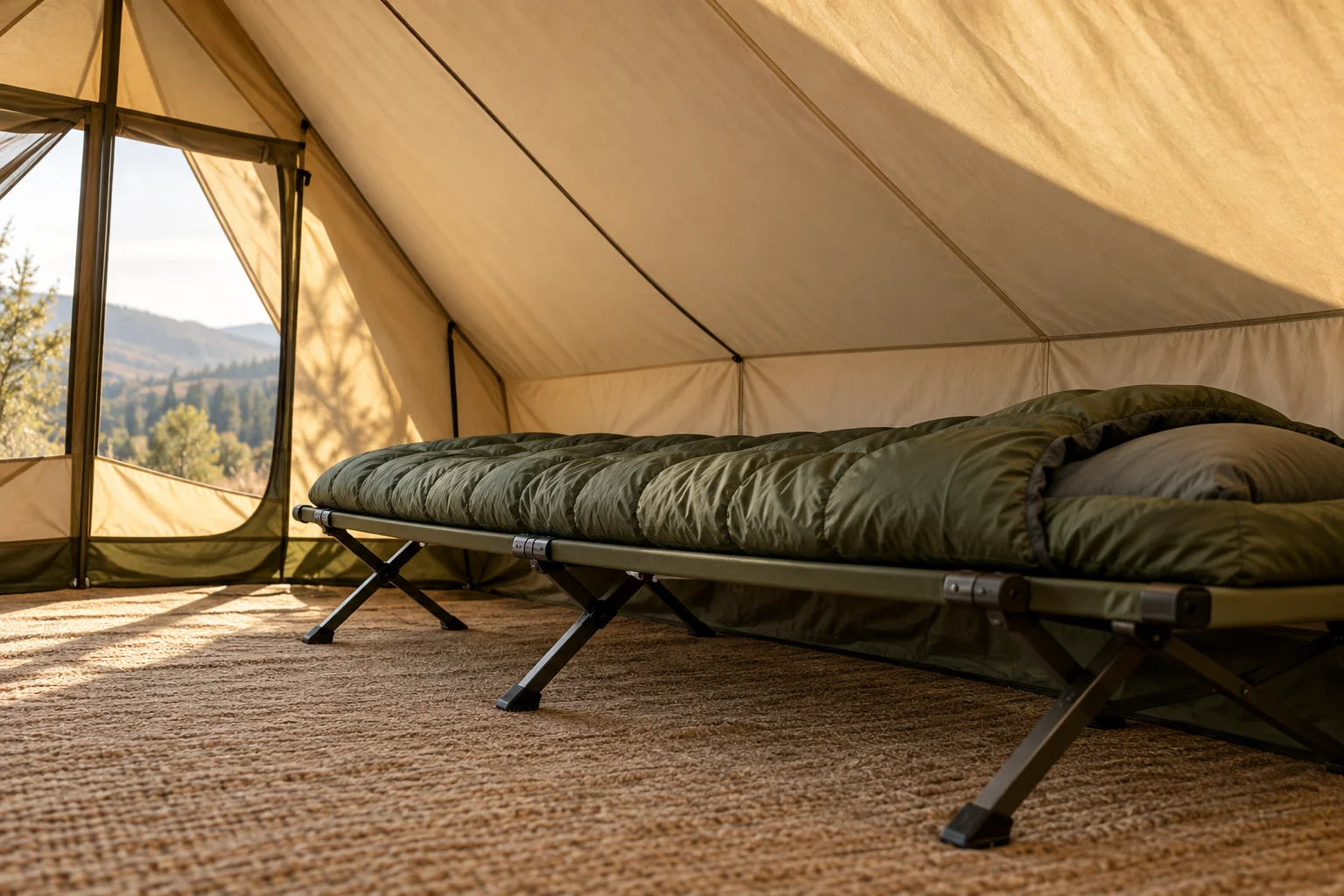
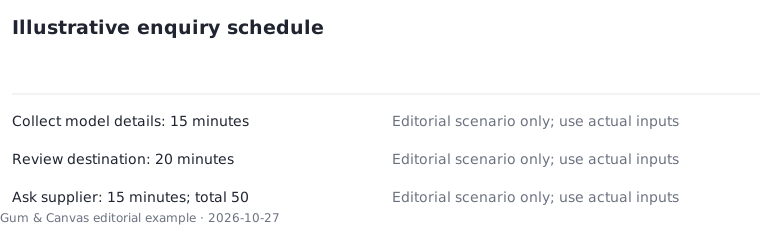
Allow time to obtain answers before a purchase deadline. A hypothetical preparation session might include 15 minutes to collect model details, 20 minutes to review destination information and 15 minutes for a retailer enquiry: 50 minutes of planned work. These are editorial scheduling inputs, not a guarantee that suitability can be decided in under an hour. If important questions remain unanswered, extend the process. The photograph of a tent, bag and backpack makes the complete kit visible, but does not endorse that kit for a Victorian season. Current conditions must be checked independently for your actual destination and dates.
Keep uncertainty visible in the buying decision
Your final note should distinguish confirmed model information, current destination information and assumptions that still need verification. Ask about fit, care, packed size and return conditions as well as the technical label. Do not allow a sale deadline to convert an unknown specification into a claim of suitability. If the information or equipment is not adequate for the planned trip, consider changing the trip or getting appropriate advice before committing. The practical outcome of this checklist is a better documented enquiry. It is deliberately not a temperature prescription, product test or assurance that a chosen bag will keep every camper comfortable.