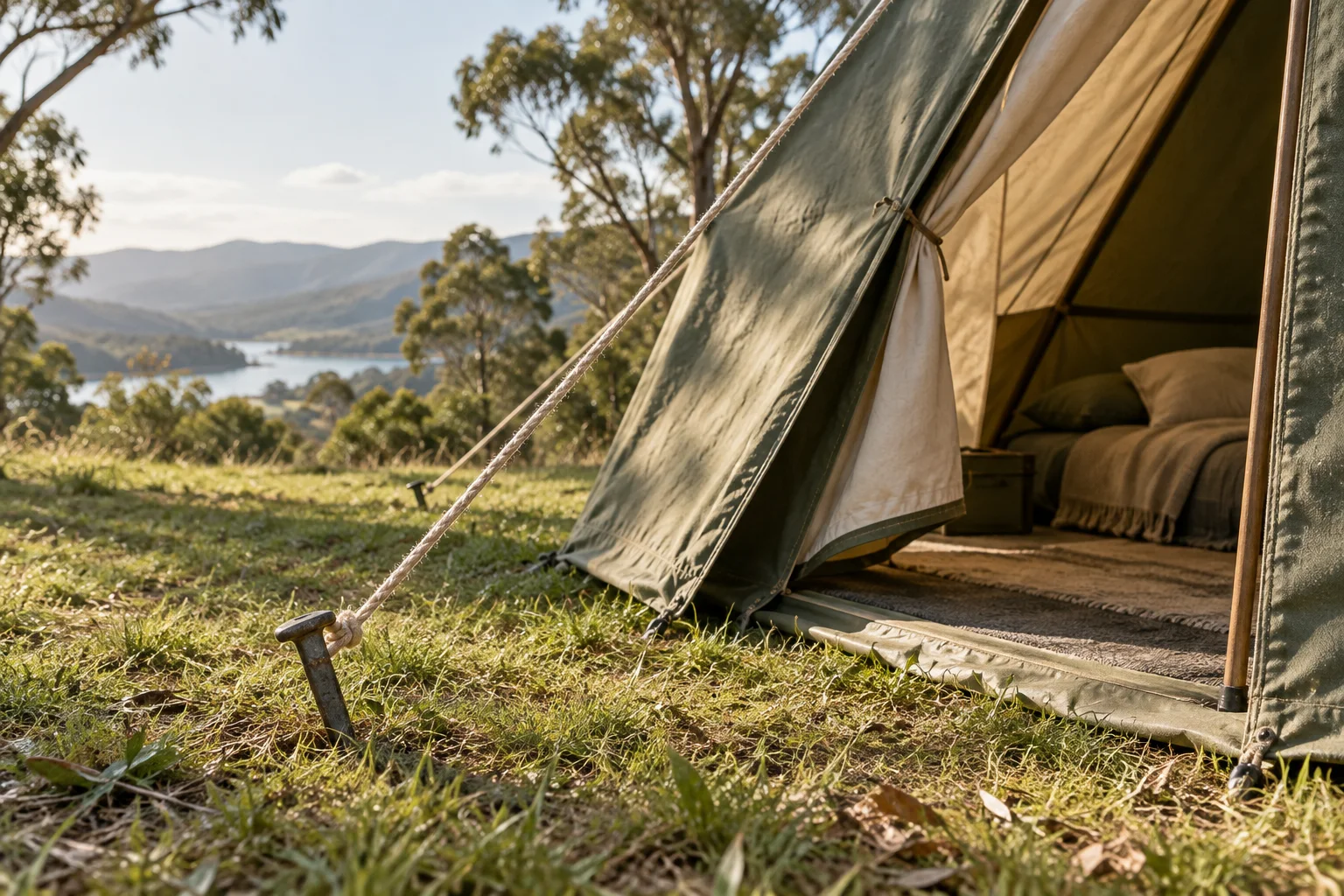
Measure camp-kitchen storage before buying a bigger box
Trial the actual pots, utensils and containers before using a litre label to choose storage.
Updated:
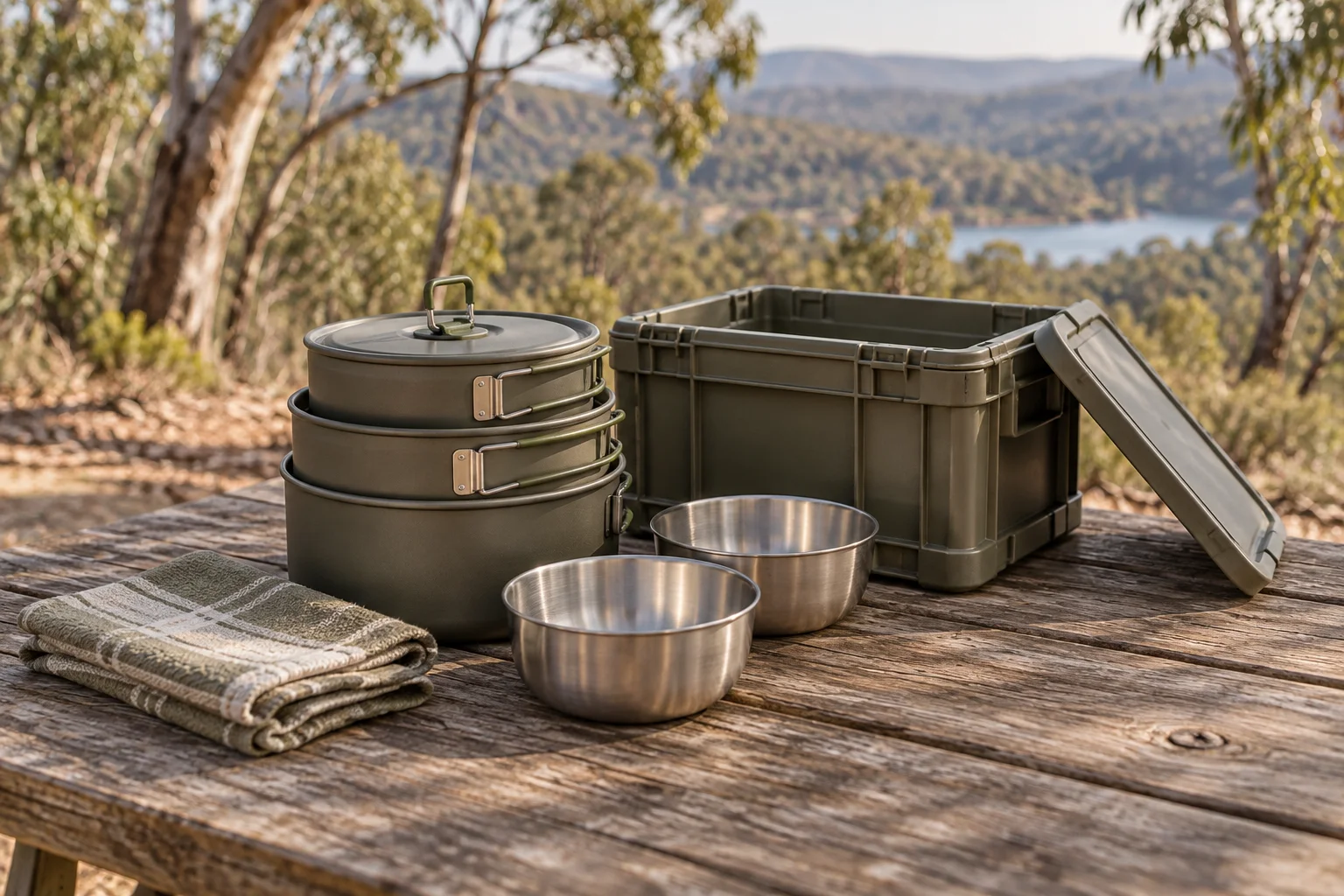
Sort the actual contents before comparing containers
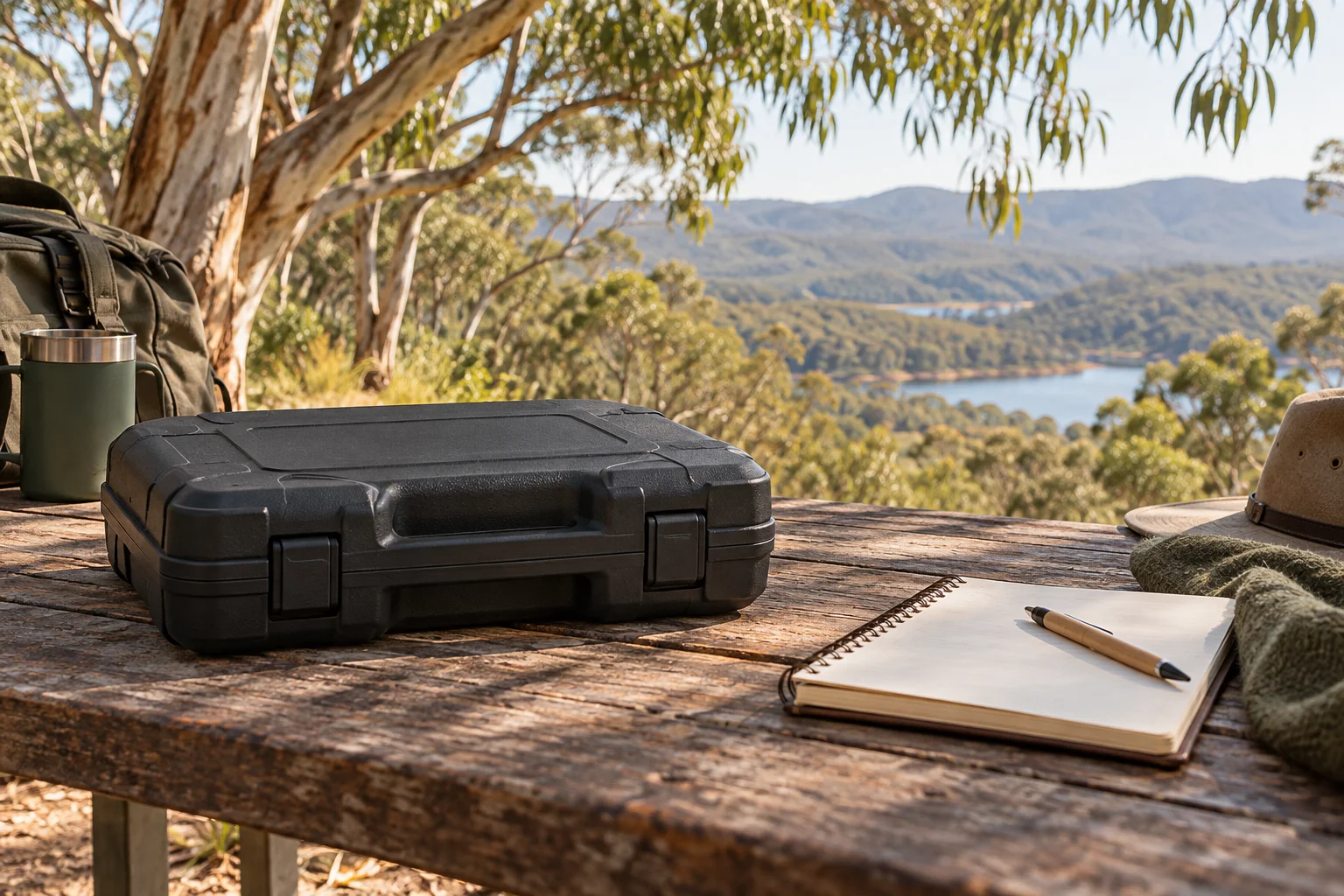
A larger storage box can hide an unresolved inventory rather than solve it. Lay out the kitchen items you intend to take and identify duplicates, missing pieces and items that have no planned use. Parks Victoria's packing checklist, reviewed on 2026-10-27, supplies the broader camping context. The storage process here is an editorial organising method, not a tested recommendation for a specific box. We have not measured the products shown in the photographs. Begin with your actual equipment and the requirements of the trip instead of assuming that a particular advertised capacity is a standard camping-kitchen size.
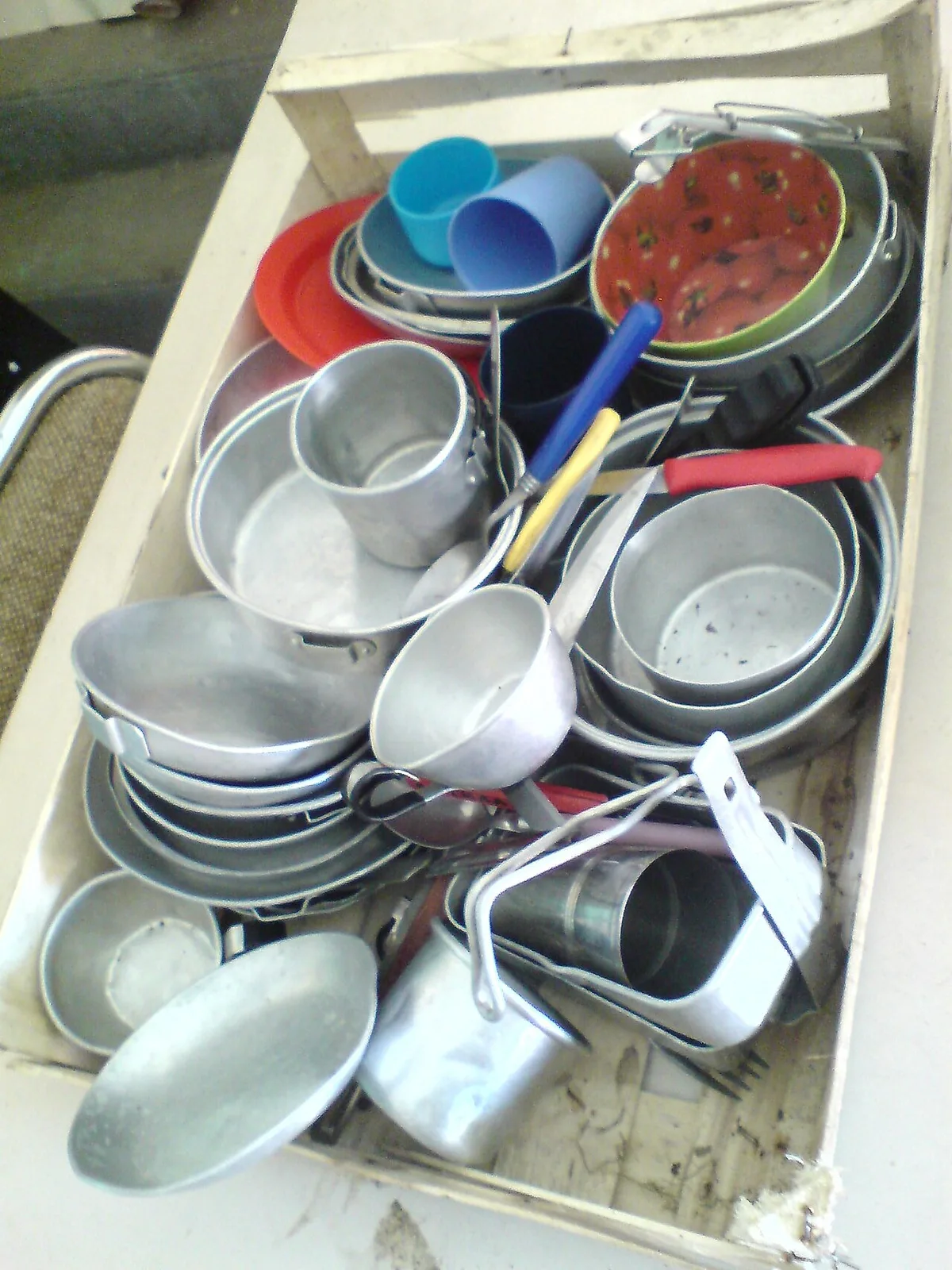
Look at nesting and protrusions as well as total volume
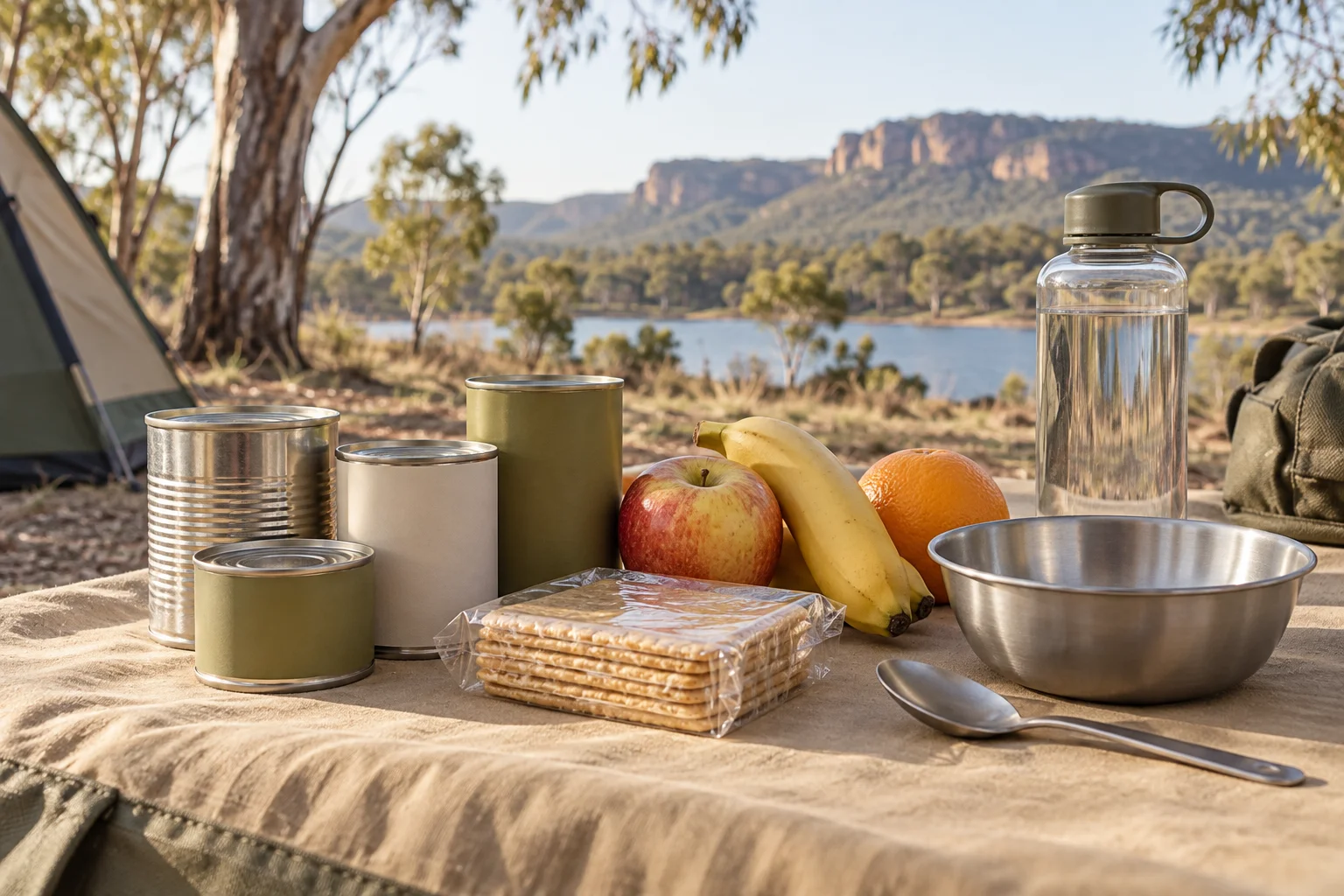
The cookware photograph shows bowls, cups and utensils with different shapes. Some objects can sit within others, while handles and rigid parts can prevent a lid closing even when the total nominal volume seems adequate. Trial the intended arrangement without forcing or damaging equipment. Follow the manufacturers' storage instructions, especially where an item must be kept separate. A litre figure does not describe every internal dimension or opening. Ask for the usable dimensions of the exact container rather than relying on its external measurements. Keep the trial reproducible so another person can repack the same kit.
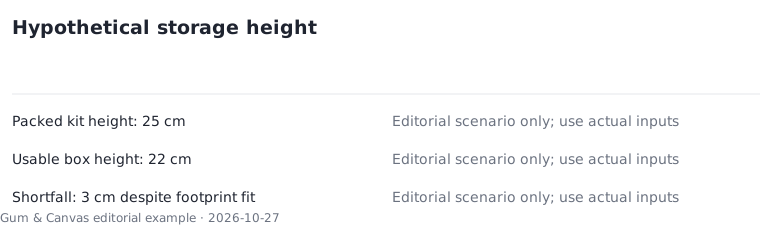
Compare a bounding rectangle with the usable interior
For a hypothetical arrangement, suppose the packed kitchen group occupies a 40 cm by 30 cm footprint and stands 25 cm high. A box with a usable interior height of 22 cm leaves a 3 cm height shortfall, even if its length and width are sufficient. This is a geometry example, not a storage recommendation. In a group of 2 people, ask both intended users to repeat the packing arrangement. Allocate an illustrative 15 minutes to sorting and 15 minutes to the loading trial, totalling 30 minutes; actual preparation may take longer when missing information or unsuitable items are discovered.
Separate appliance storage from an ordinary pot stack
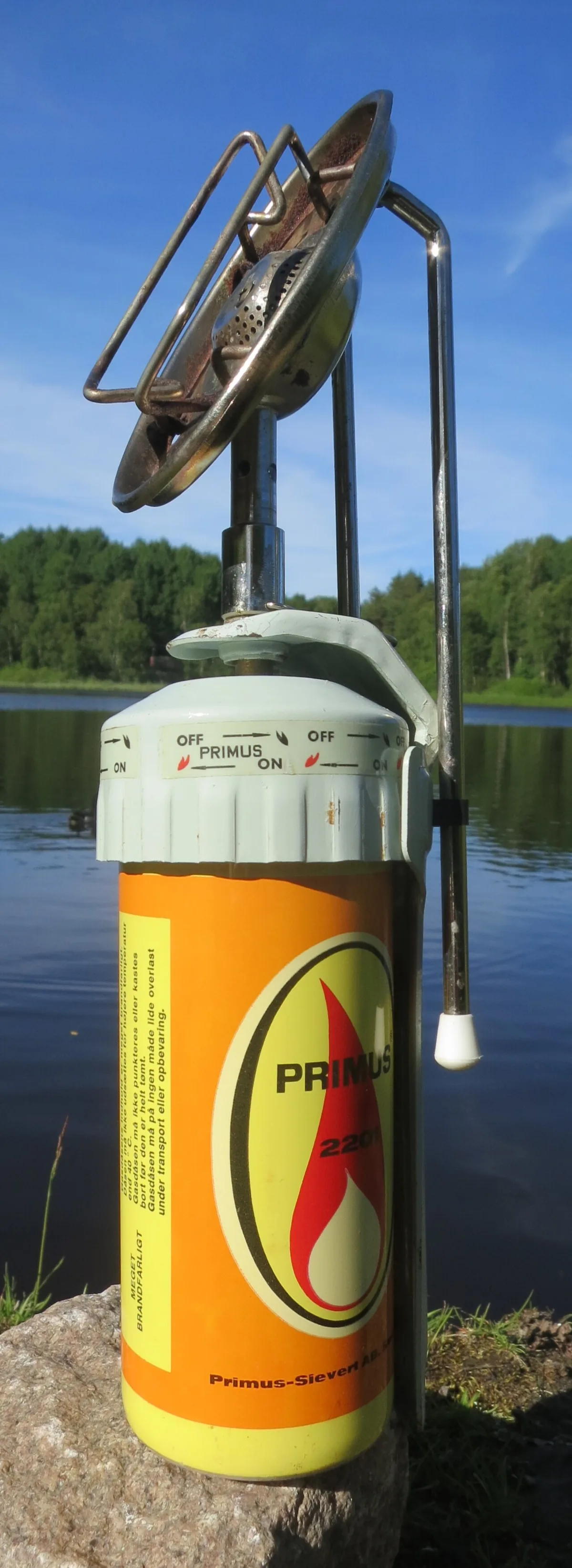
The cartridge-stove photograph shows an appliance rather than a simple bowl. Its storage and transport requirements come from its instructions and applicable rules, not from whatever gap remains in the box. Do not use this article as guidance for storing fuel or combining incompatible items. Check each relevant requirement before finalising the arrangement. Likewise, keep the storage purchase separate from permission to cook at the destination. A neat box does not establish that an appliance may be operated. If an item needs a dedicated case or different handling, include that requirement in the transport plan rather than treating it as wasted space.
Review access, weight and the rest of the vehicle load
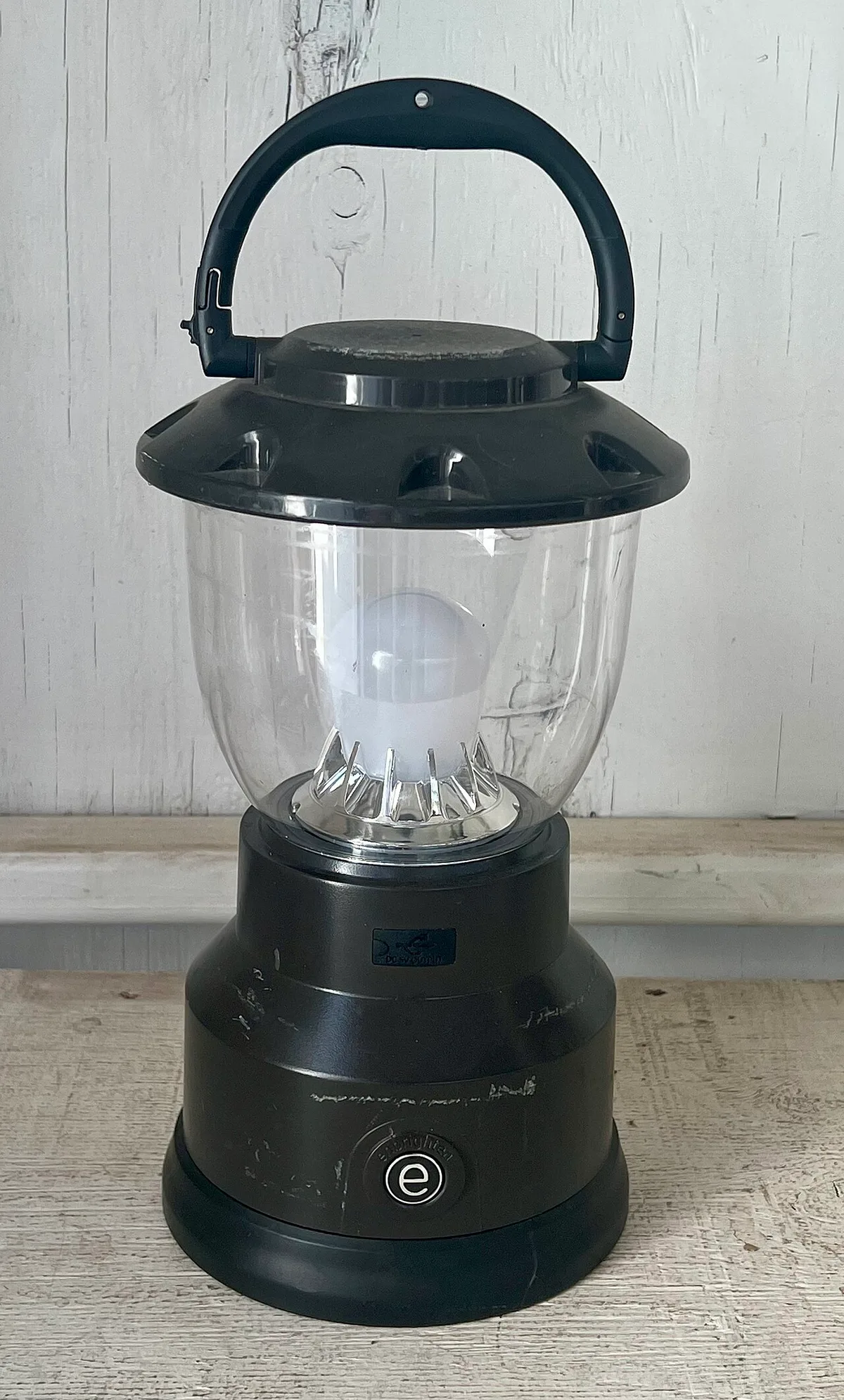
The electric lantern photograph represents a different piece of camp equipment that may be packed nearby, but not necessarily in the kitchen container. Decide which items must be accessible first and who will handle each container. Consult the relevant equipment and vehicle instructions for loading and handling limits. Record the final contents and actual packed dimensions before shopping for another box. If the current container works after sensible inventory changes, there may be no storage purchase to make. If it does not, choose from verified dimensions and requirements rather than assuming more litres automatically create a more useful campsite arrangement.