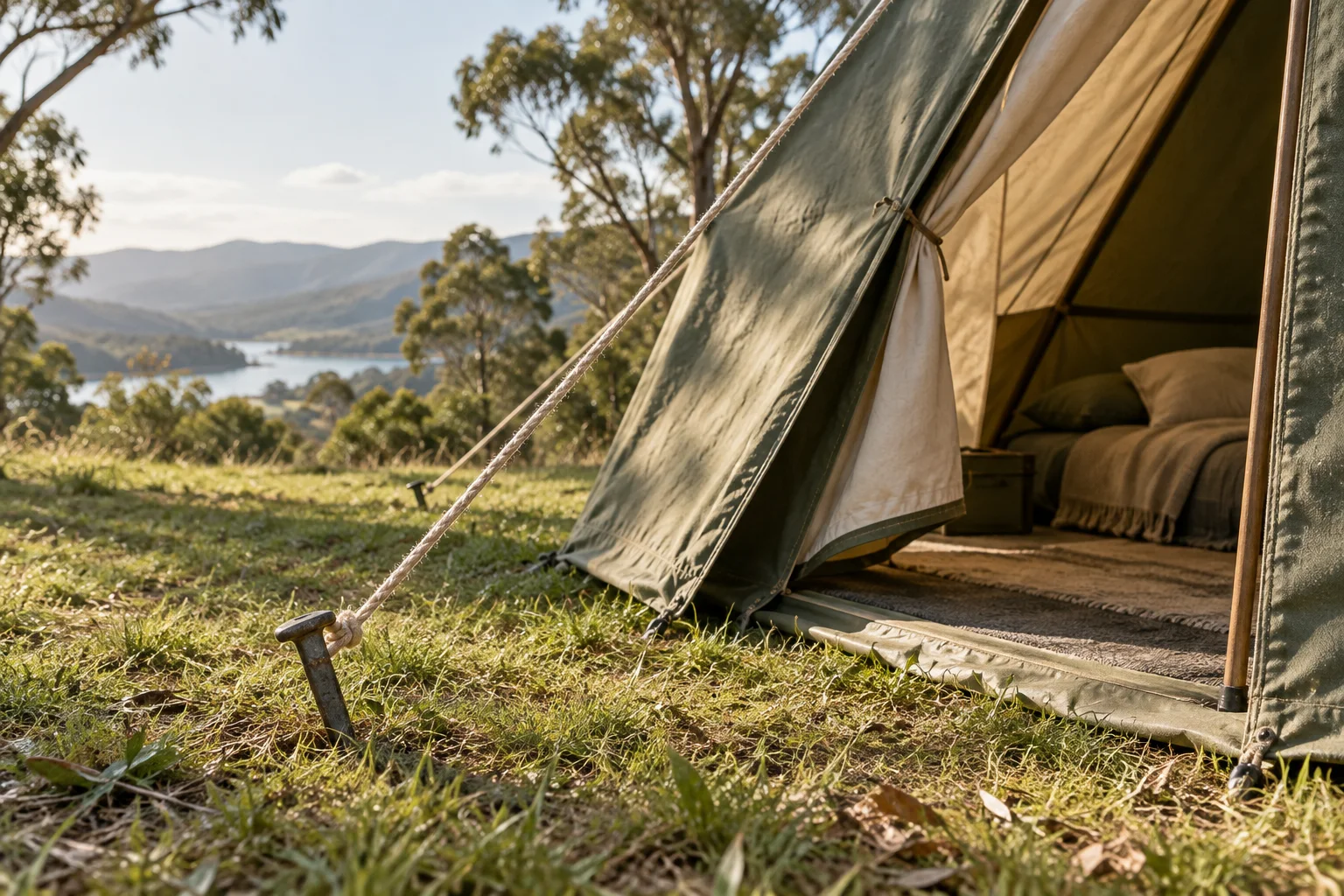
Build a no-cook contingency into your gear list
Plan an alternative that does not depend on heating food, without assuming it makes a restricted trip appropriate.
Updated:
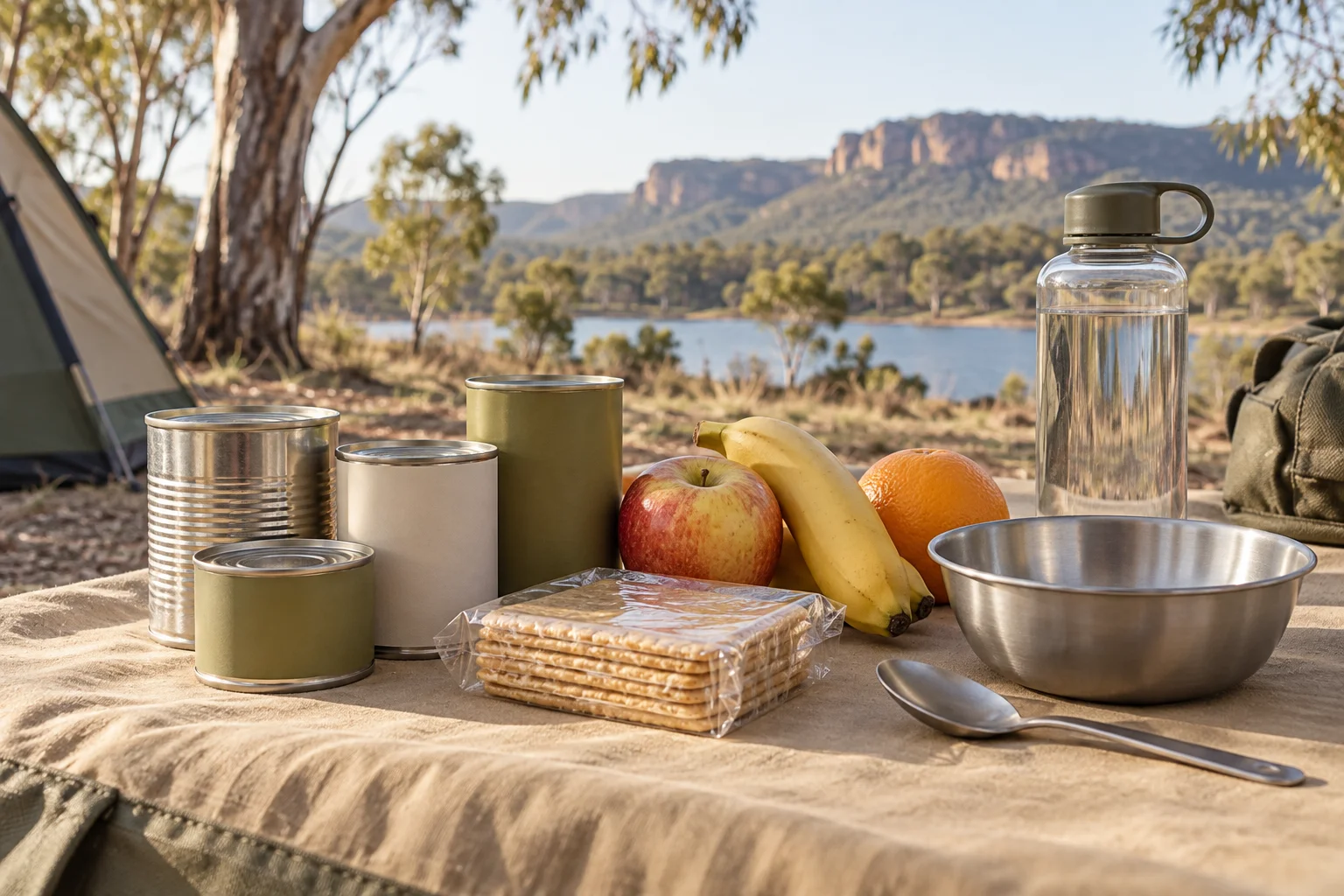
Make the alternative independent of the stove
A no-cook contingency is useful only if the chosen food and equipment do not quietly depend on heating. Begin by listing which planned meals require an appliance and what would replace them if cooking cannot proceed. NSW National Parks publishes current fire-ban information; the page reviewed on 2026-10-27 is linked here because restrictions can affect a cooking plan. A no-cook menu does not override a closure or make a trip appropriate in unsafe conditions. It is one planning option after the destination and activity decisions have been checked, not a way to bypass them.
Read each food label rather than relying on a category
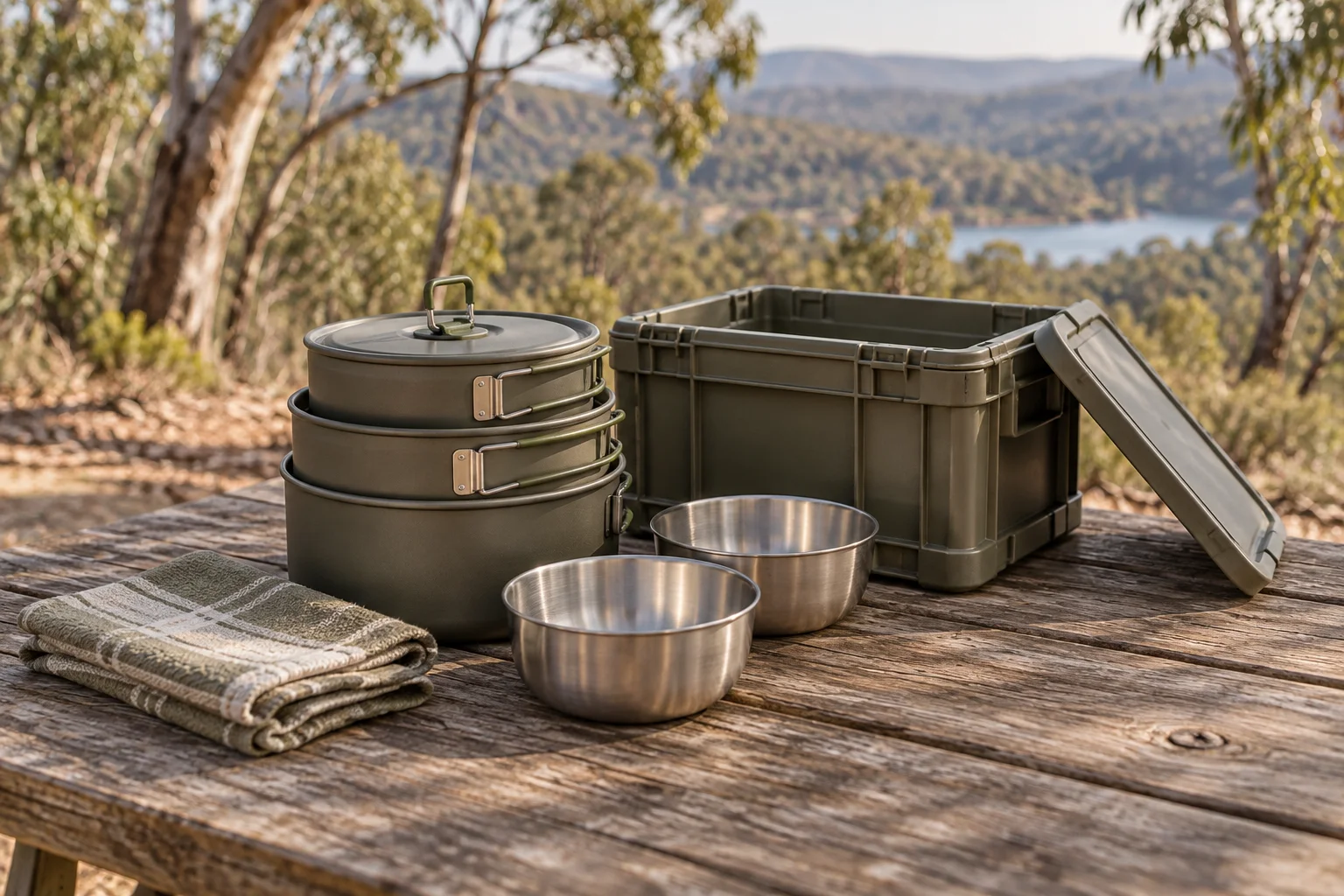
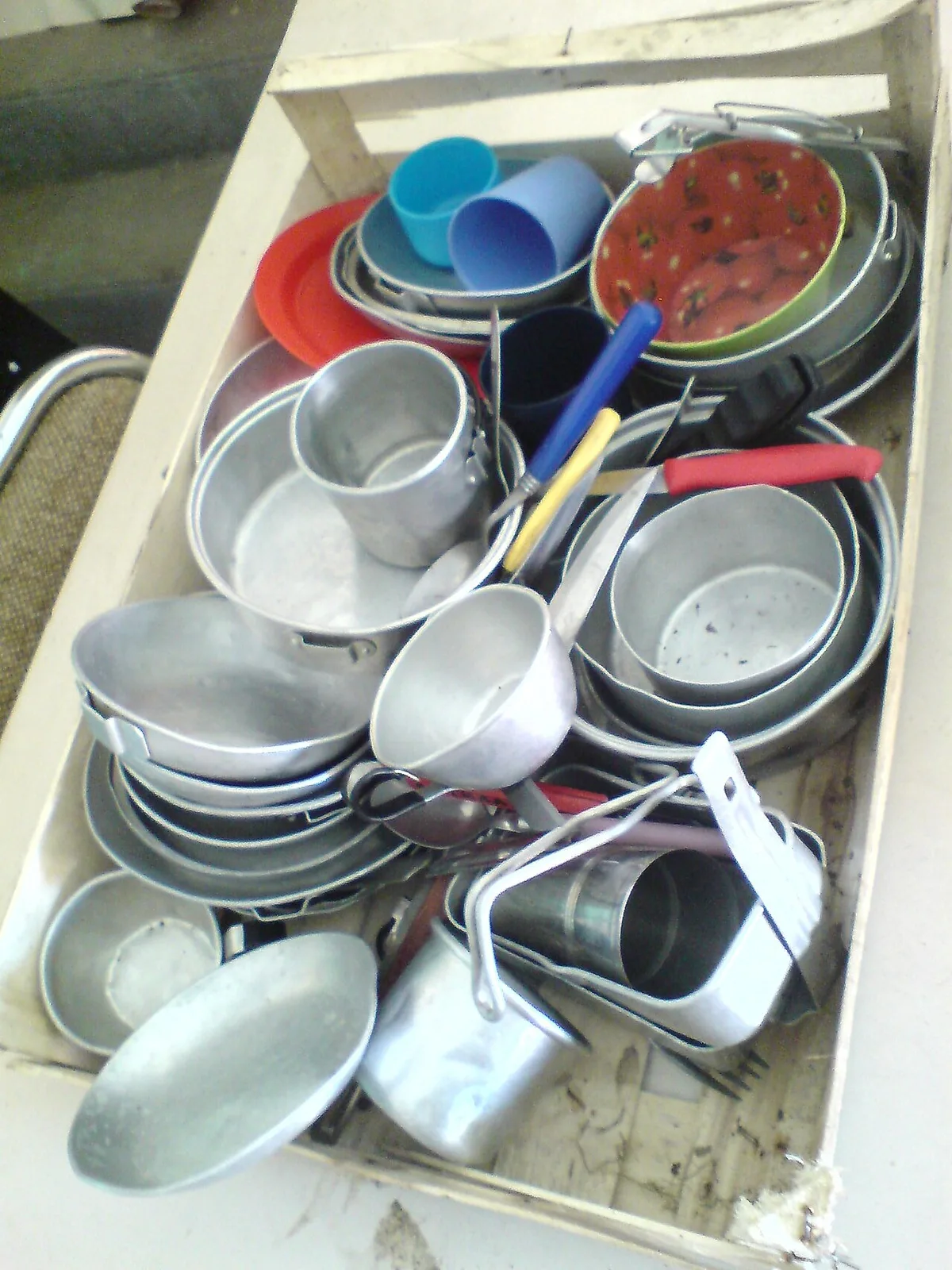
Check the preparation and storage instructions for the actual food you intend to take. This guide gives no food-safety storage times or temperature assurances. A product described casually as ready food may still have handling requirements that matter to the trip. The cookware photograph shows bowls, cups and utensils, which can remain useful without a stove. Count the utensils required to open, portion and eat the specific alternatives. Avoid assuming that every tin, packet or container can be used with the same tool. Resolve dietary and individual requirements through appropriate information rather than a generic camping list.
Count complete meal occasions instead of loose packets
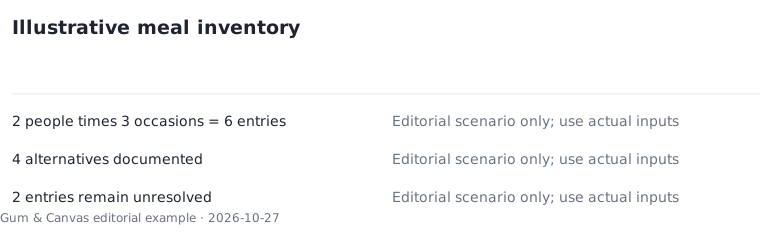
Consider a hypothetical group of 2 people replacing 3 meal occasions. That creates 6 person-meal entries to review, not a recommendation for portion size or nutrition. Check each entry for preparation, storage, utensils and waste handling. If only 4 entries have a suitable documented alternative, 2 remain unresolved. A planning session could allow 15 minutes for the meal inventory and 20 minutes for checking labels and equipment, totalling 35 minutes. These are administrative assumptions, not a food-storage interval. Do not use the example arithmetic as evidence that any quantity of a particular food is sufficient for a person.
Remove hidden heating dependencies from the alternative
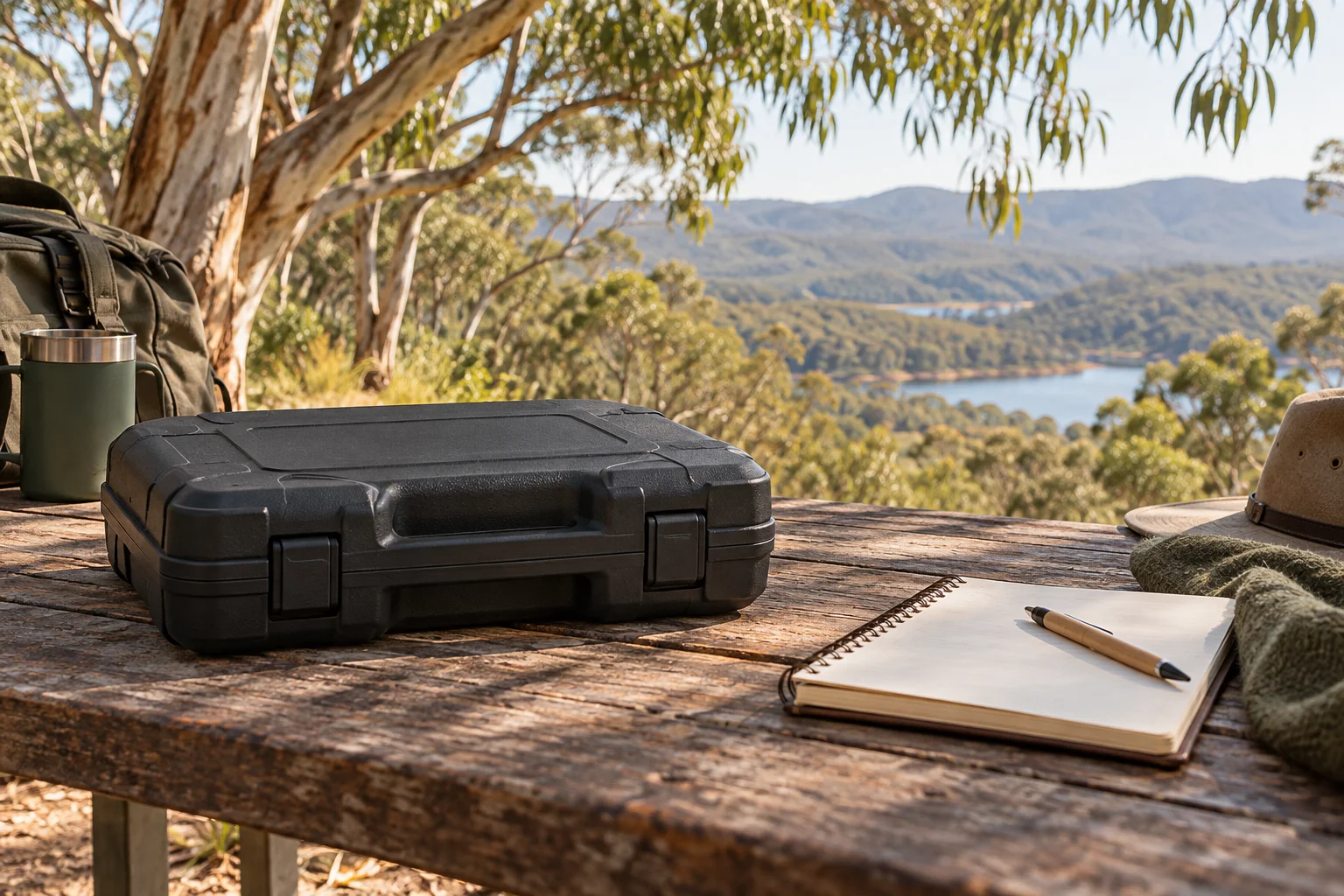
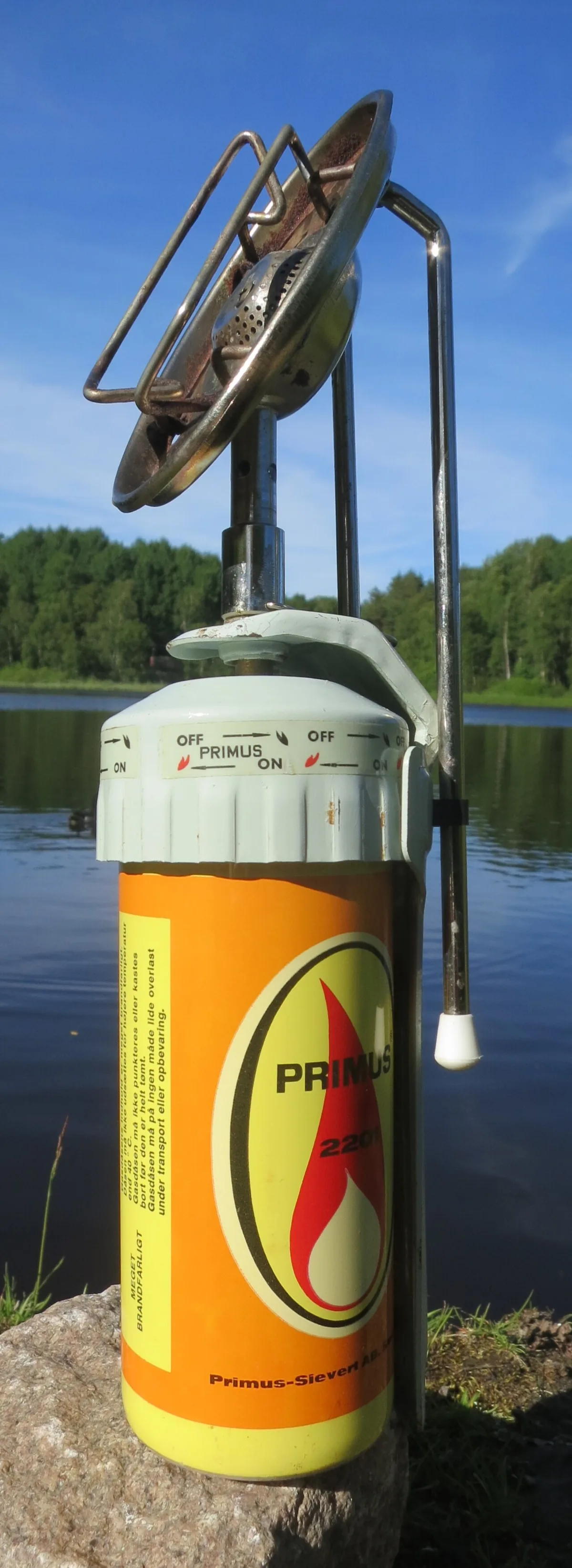
The cartridge-stove photograph identifies equipment that the alternative is intended not to rely upon. Review drinks, cleaning arrangements and other tasks as well as main meals, without inventing a substitute for requirements you cannot meet. Follow the actual food and equipment instructions. If the alternative still requires an unavailable appliance or facility, it is incomplete. Check current destination rules and revise or cancel the trip where necessary. The presence of a packed stove does not establish permission to use it, and the presence of cold food does not establish that every other condition for the visit has been addressed.
Pack the alternative as an identifiable set
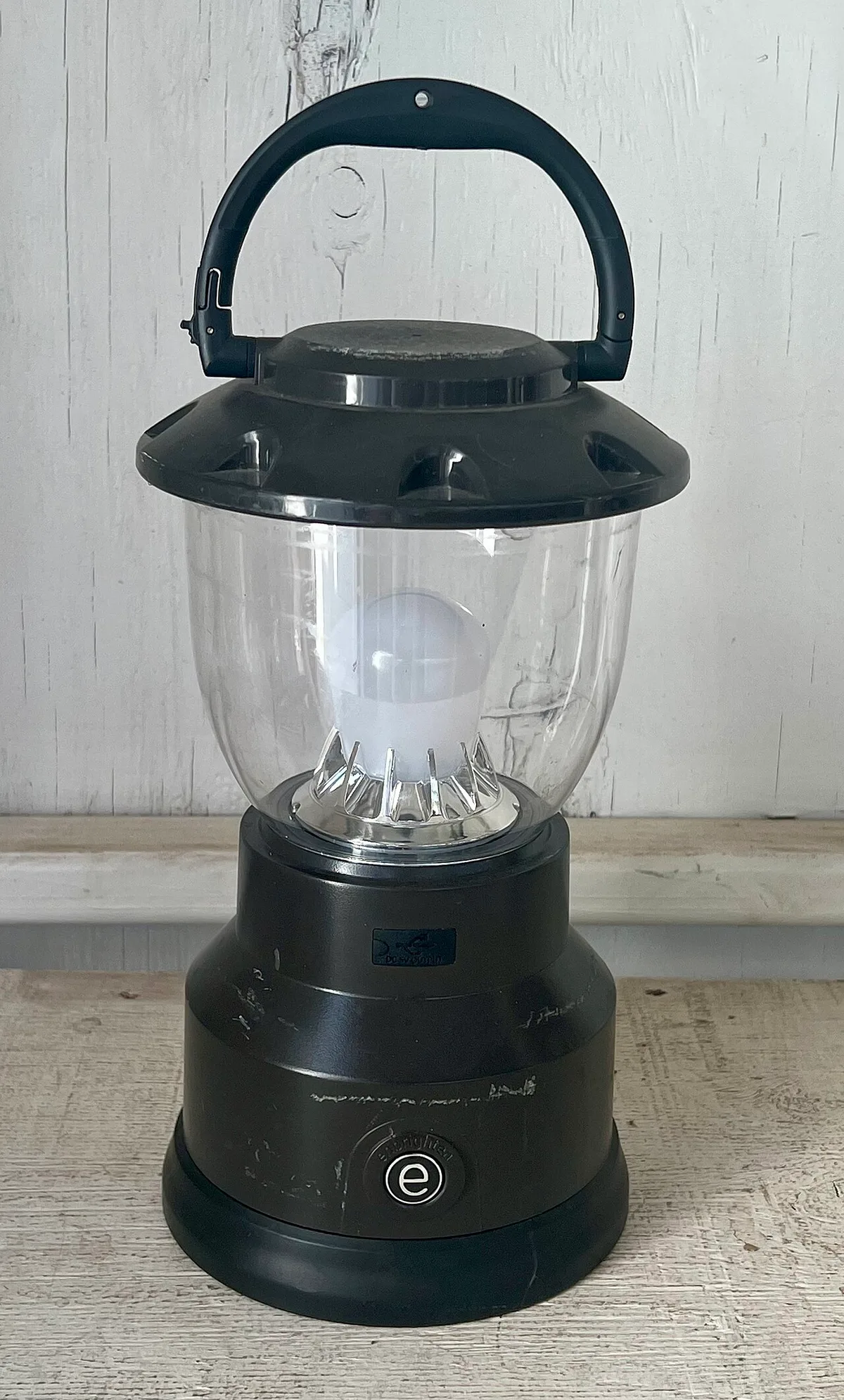
Keep the food, required utensils and relevant instructions together in the inventory so the alternative can be understood by everyone who depends on it. The electric lantern photograph illustrates a separate campsite task that still needs its own preparation; changing meals does not complete the entire kit. Record what must be checked again near departure, including current official restrictions and the condition of the planned supplies. The final decision should identify a usable cooking-independent arrangement or a reason to change the trip. It should not claim that no-cook camping is universally simple, nutritionally sufficient or safe under every weather and storage condition.