Headlamp and lantern: separate the jobs before shopping
List personal and shared lighting tasks before comparing features or buying another light.
Updated:
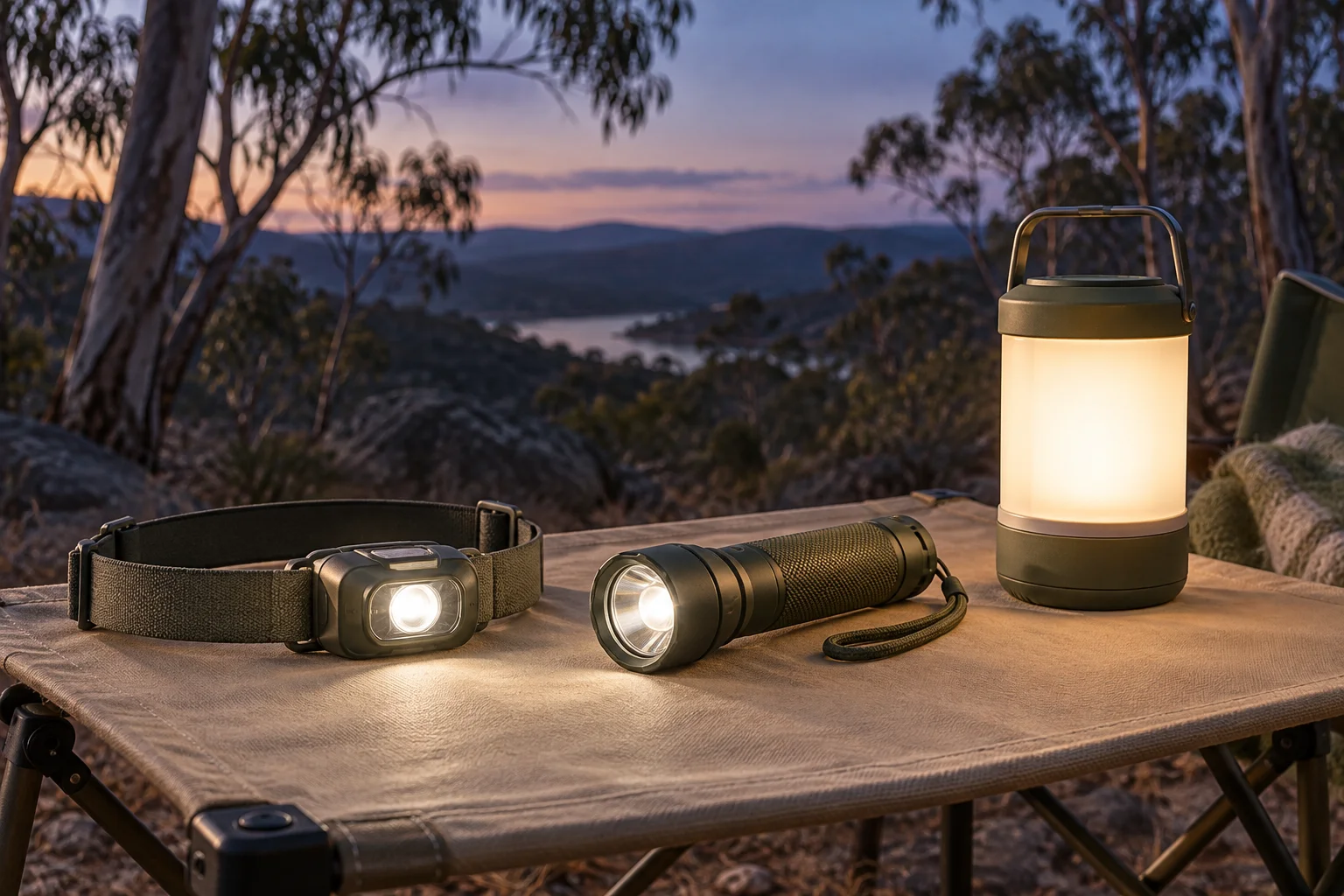
Name the task before choosing the shape
A headlamp, handheld torch and electric lantern can be useful in different situations, but buying one of each is not automatically a complete plan. Start by listing what you expect to do and who needs light at the same time. Parks Victoria includes lighting in its camping packing checklist, reviewed on 2026-10-27. This guide helps organise a purchasing conversation; it does not measure brightness, beam distance or runtime. The generated cover image is conceptual. The real photographs below show different physical forms, with no implication that these particular models have been tested or recommended by Gum & Canvas.
Distinguish personal movement from shared stationary tasks
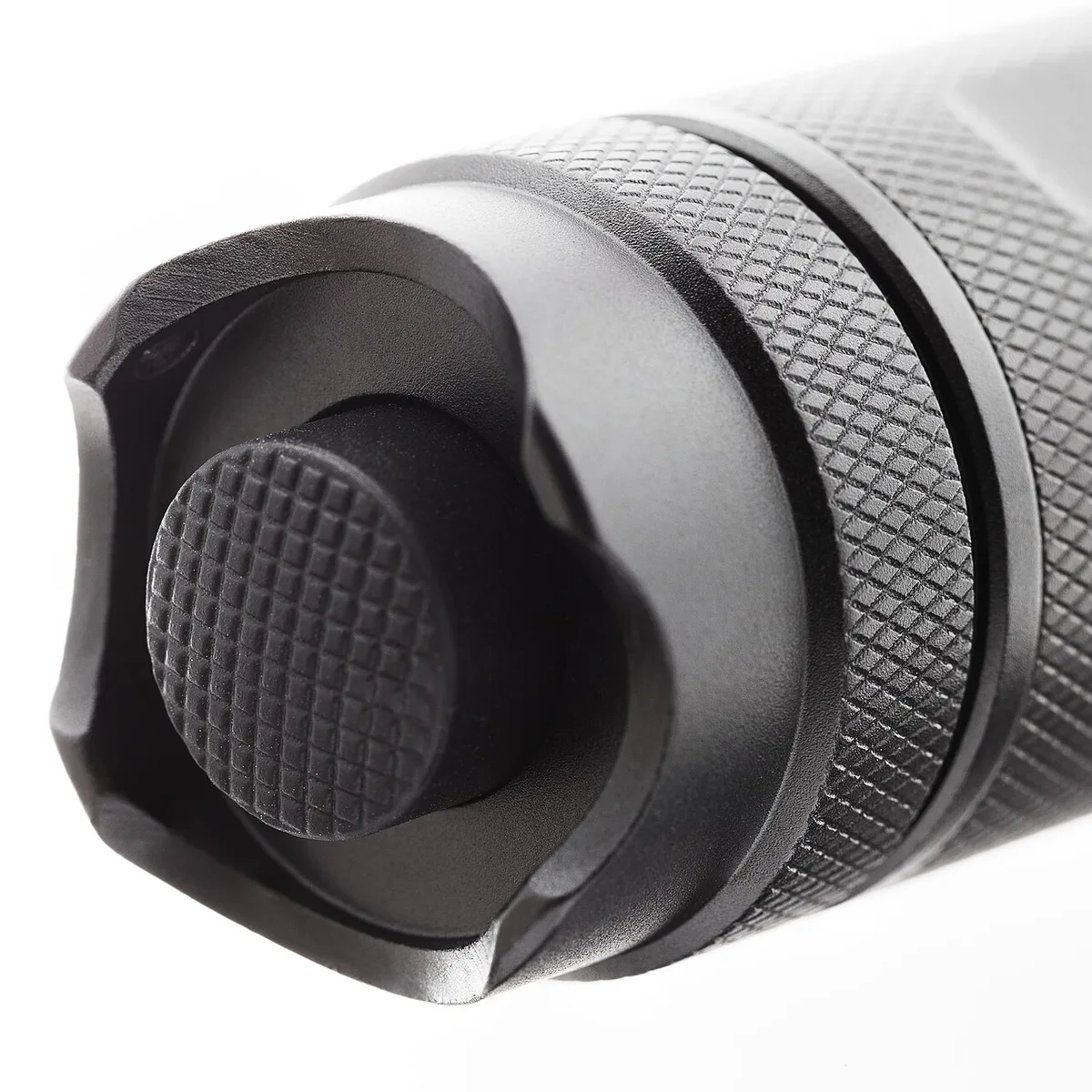
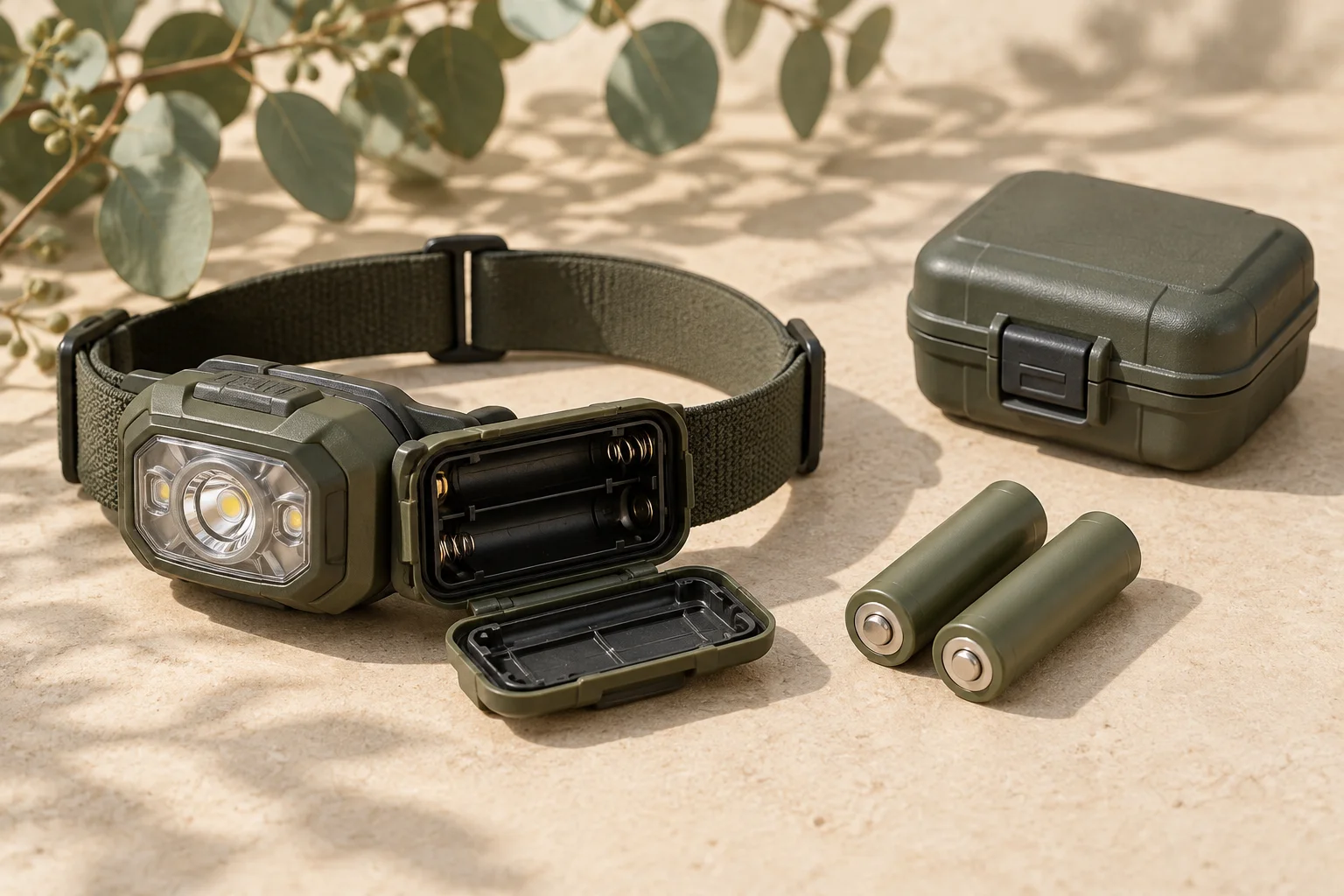
Write down which activities require a person's hands and which take place around a shared space. A head-mounted design may be relevant when hands are occupied, while a handheld torch requires attention to how it will be carried or positioned. The torch photograph shows a body switch and a directed-light form; it does not establish its beam performance. Ask about fit, controls and the manufacturer's intended use for the actual model. Avoid shopping solely by a headline brightness number when the unresolved question is whether the equipment can be used conveniently for the task you have identified.
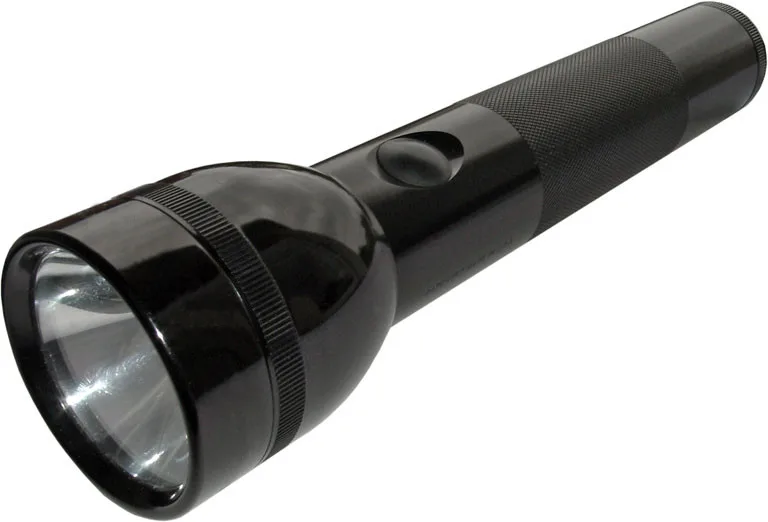
Count simultaneous needs rather than total ownership
In a hypothetical group of 3 people, suppose 2 people need personal lights while the third remains at the shared table. A single shared lantern cannot automatically serve all three locations. Record the three tasks and the equipment assigned to each, without treating that count as a universal minimum. An illustrative home review could allocate 10 minutes to listing tasks and 15 minutes to trying controls, totalling 25 minutes. These are planning figures, not tested operating times. If your actual plan has different tasks or participants, rebuild the allocation instead of copying the example as a standard kit.
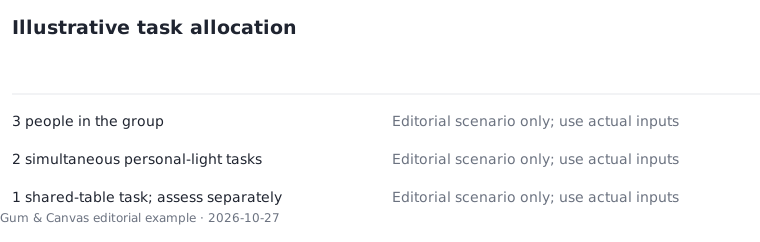
Review controls and placement as carefully as output
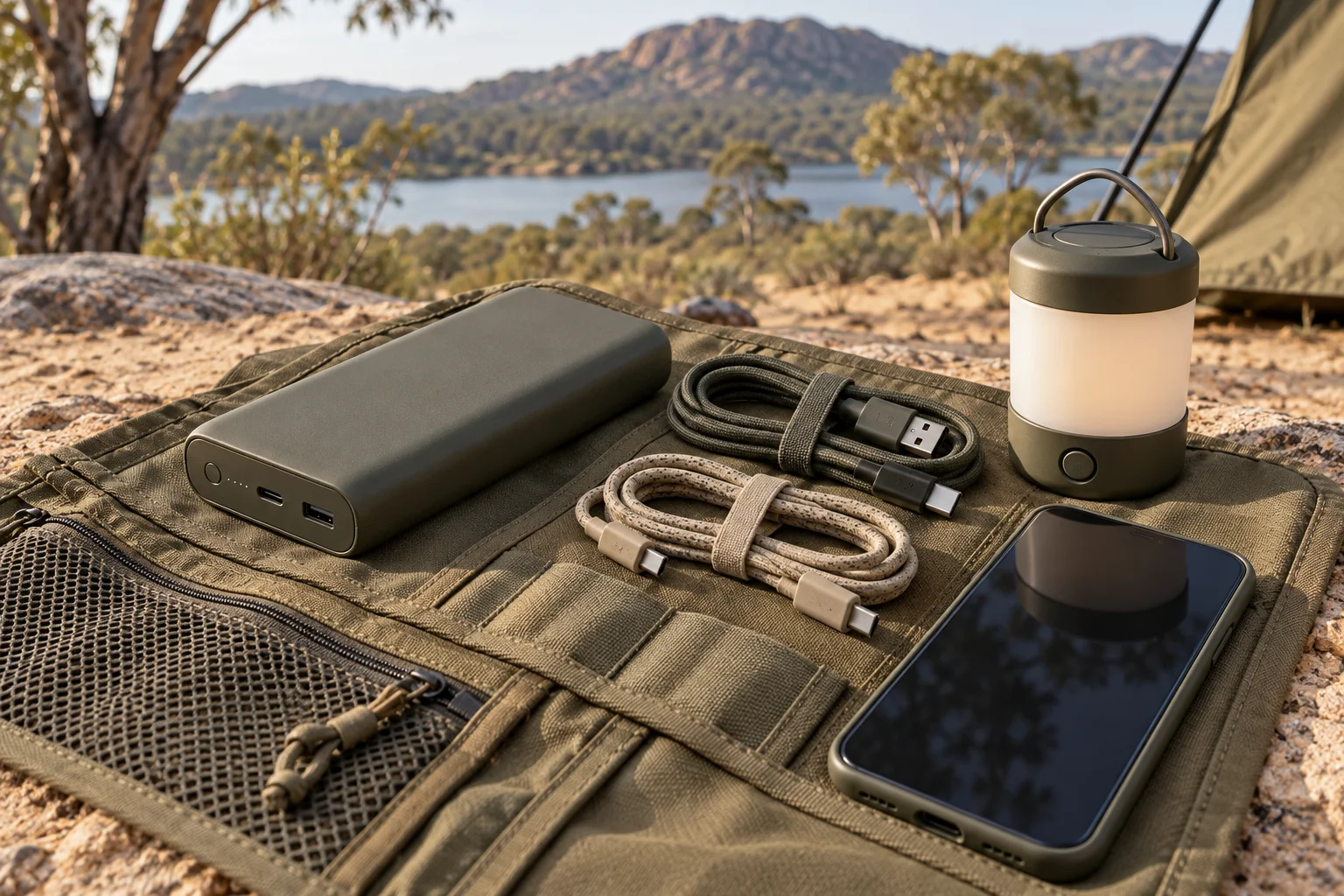
The electric lantern photograph shows a handle and base controls. Those visible features can prompt questions about carrying, positioning and operation, but the image does not establish a suspension rating or weather resistance. Follow the model instructions for placement and use. Try the controls before travelling, including any modes you intend to use, without directing bright light into other people's eyes. Consider how shared lighting affects neighbouring campers and follow campsite rules. A photograph of a lantern cannot answer whether the batteries, charging arrangement or available settings suit your trip; those require model-specific information.
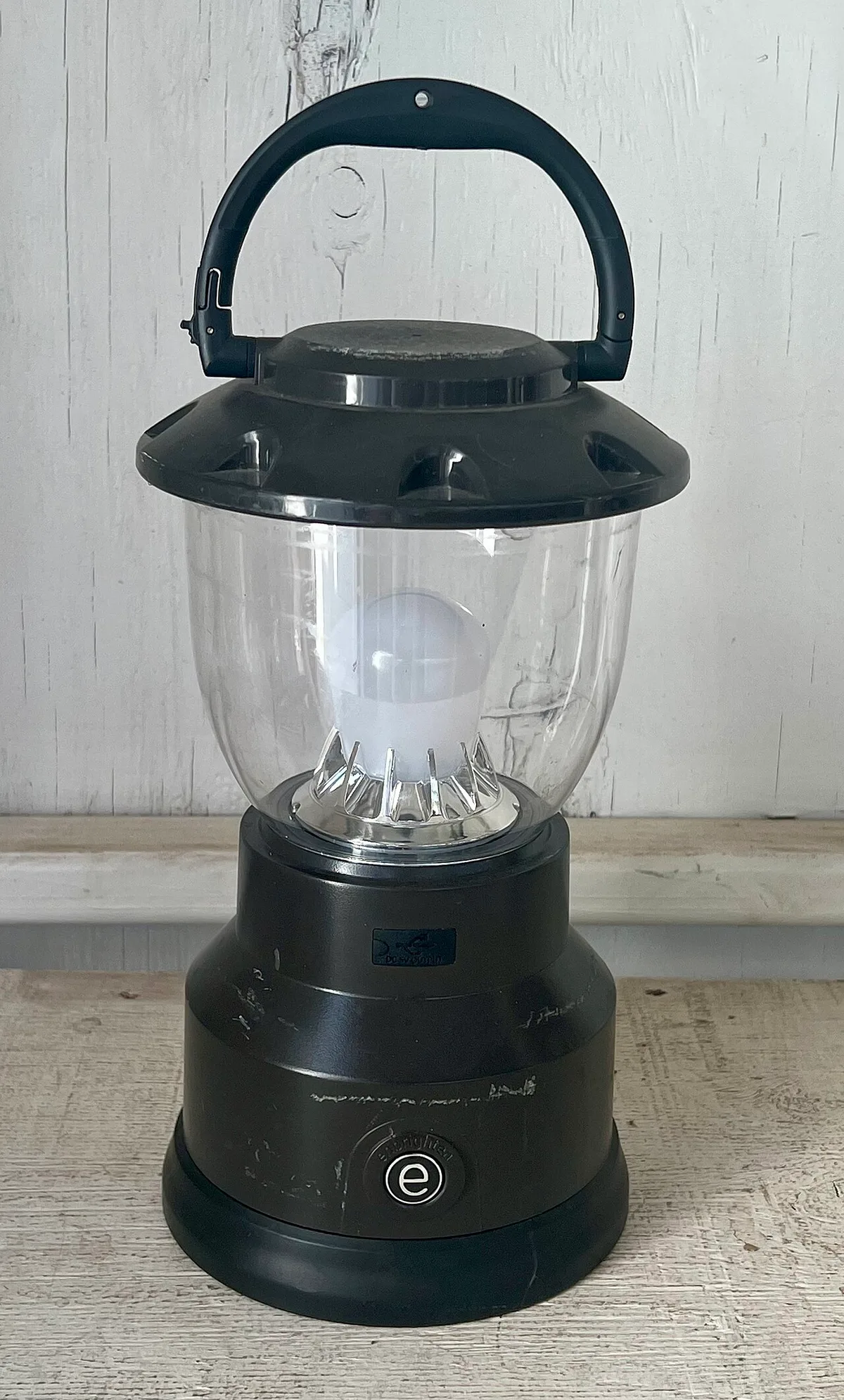
Make the shortlist explain its own purpose
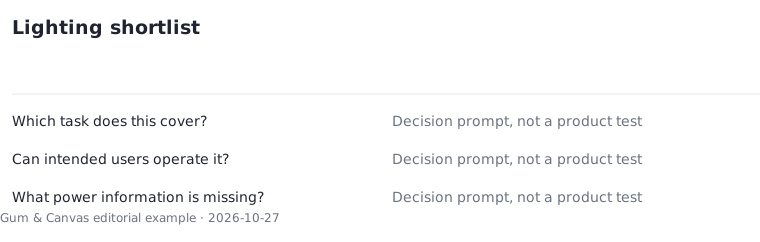
For each candidate, write the task it covers, the users who depend on it and the information still missing. The tail-cap switch photograph illustrates a control location different from the body-switch example, making a hands-on check useful. Review power requirements and spares separately from the shape decision. Remove duplicate purchases only when the remaining arrangement still covers the tasks you actually identified. Your result should be a clear allocation with understood operating instructions, not a claim that a small number of lights guarantees safe movement, sufficient illumination or an uninterrupted night. Conditions and individual needs still require their own assessment.