Create a charging inventory without promising battery runtime
Match device inputs, cables and planned charging opportunities before buying portable power.
Updated:
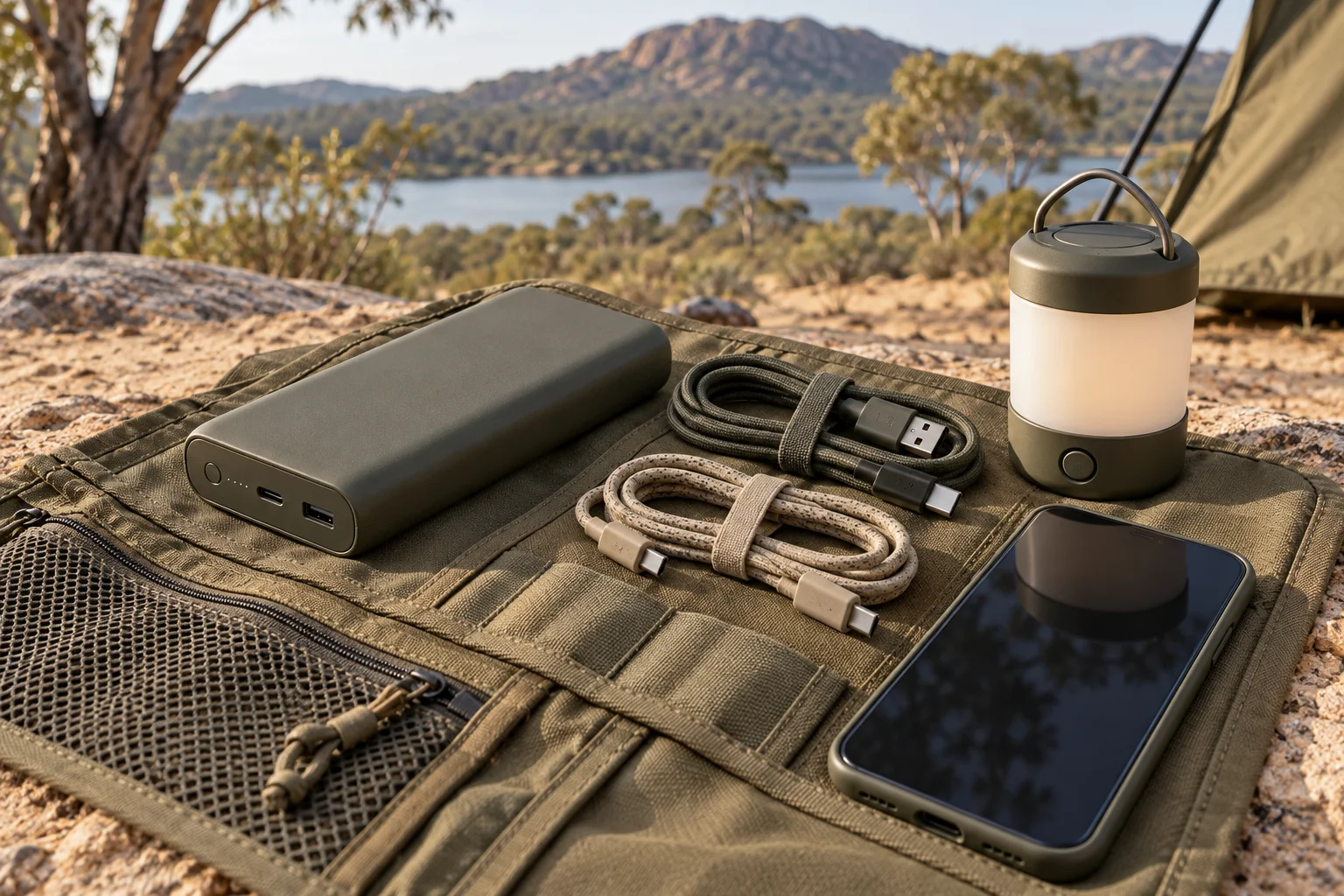
Begin with the devices you actually intend to take
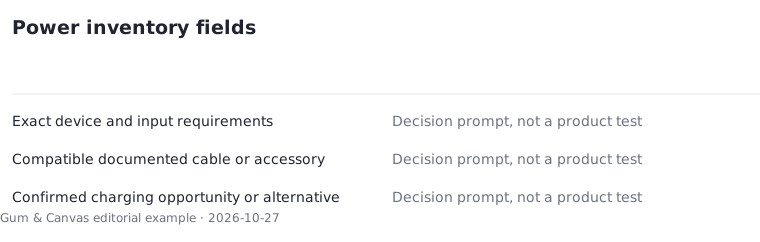
A portable-power purchase is easier to assess when you know what must connect to it. List each device, the manufacturer's charging requirements, the cable needed and whether it is essential to the trip plan. Parks Victoria's equipment checklist, reviewed on 2026-10-27, provides the packing context; the inventory method here is an editorial planning tool. We have not measured energy consumption or tested a power bank. Do not interpret an advertised capacity as a guaranteed number of charges. This article deliberately avoids a runtime calculator because the necessary model, conversion and operating information has not been verified.
Separate rechargeable devices from replaceable-cell equipment
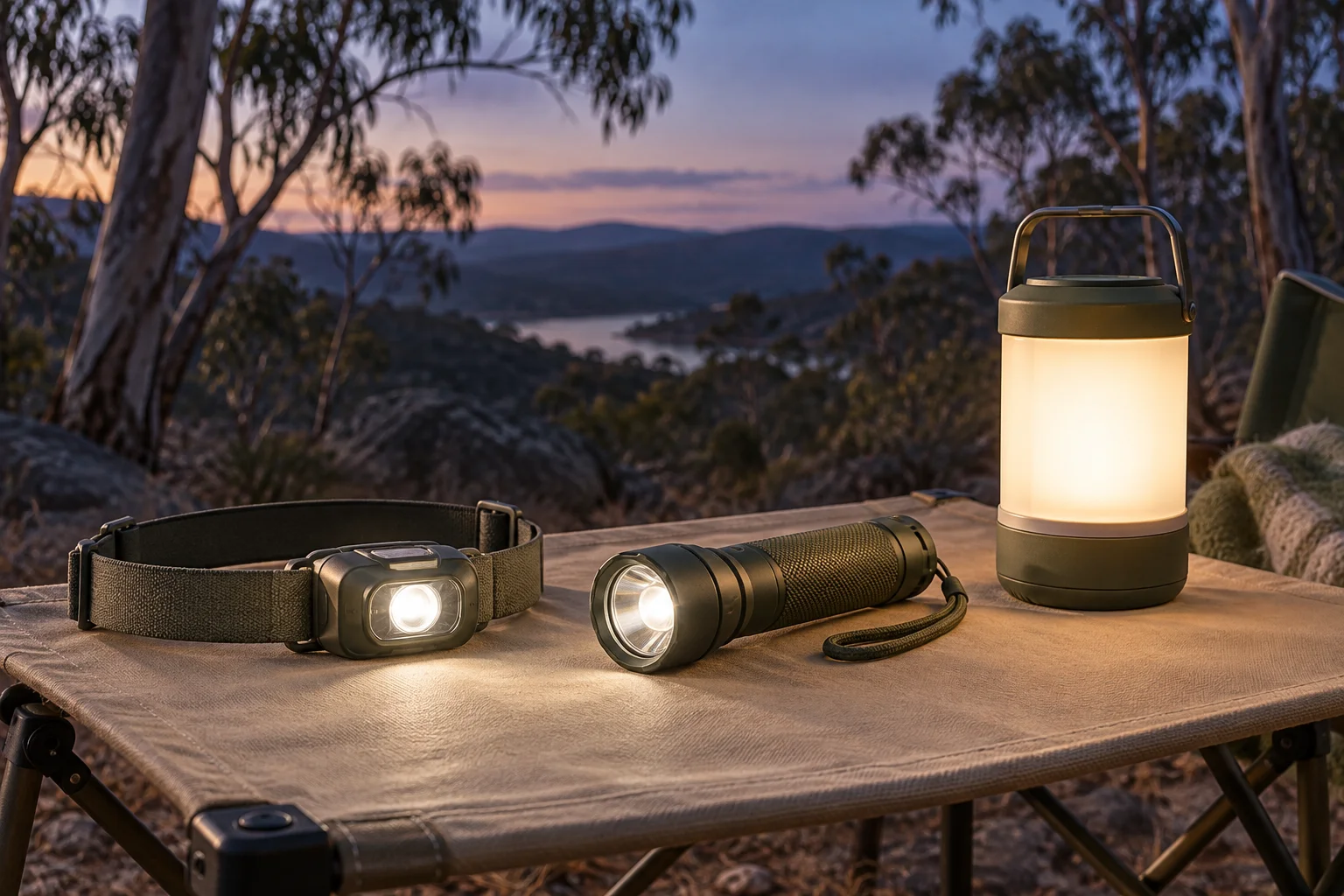
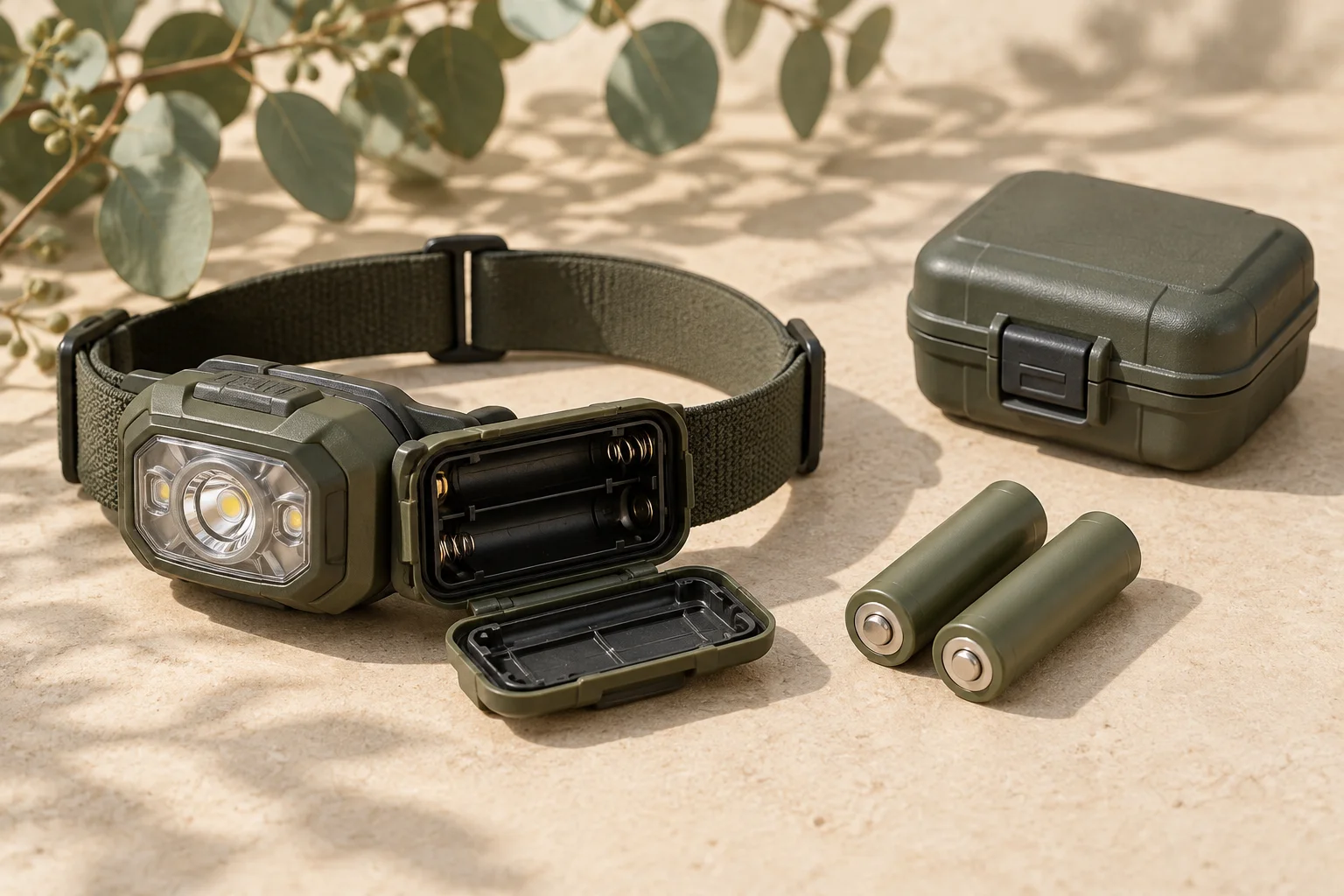
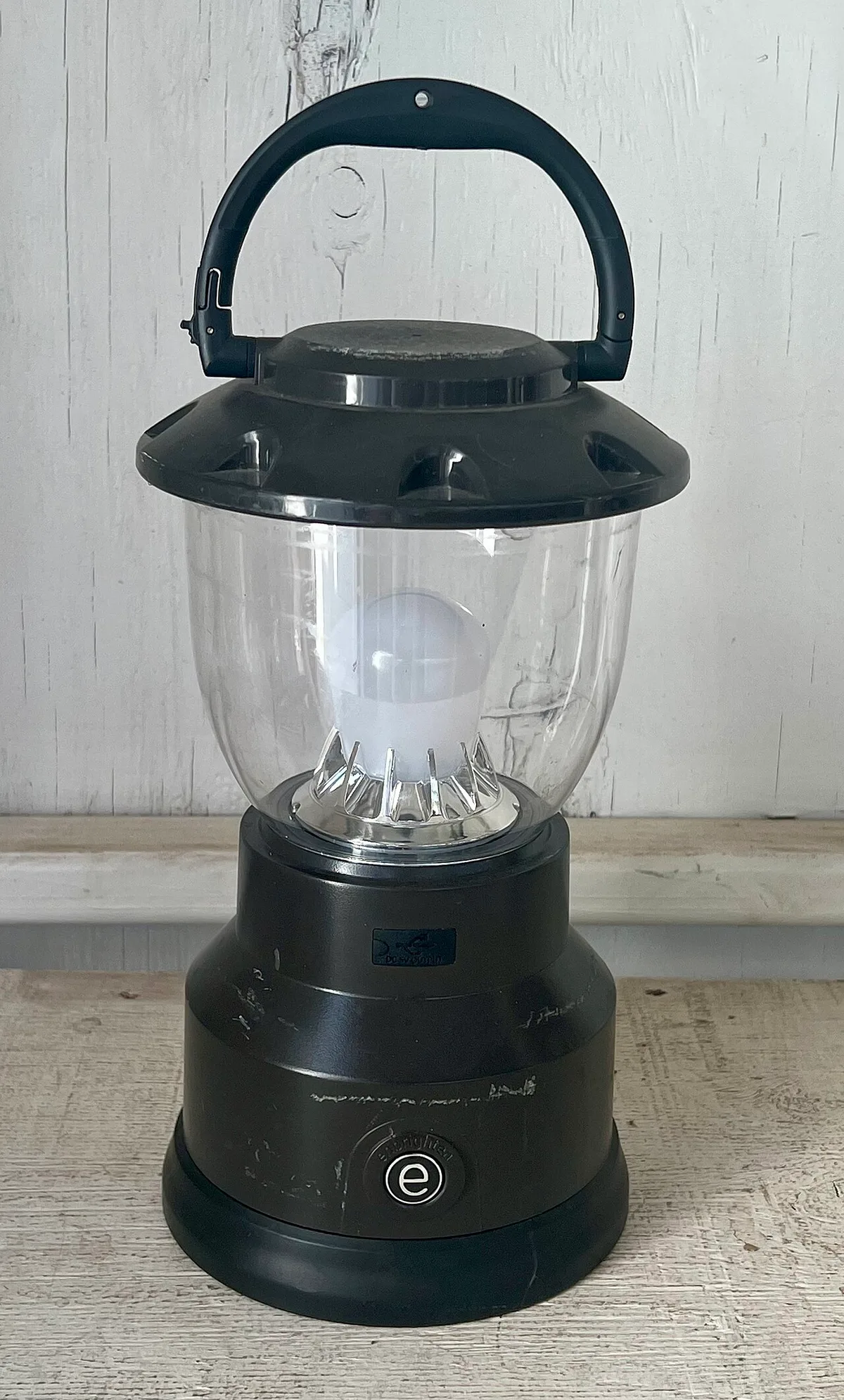
The handheld torch photograph shows one physical device but does not reveal its power specification. Check the actual model rather than assuming every torch charges by USB. Write down whether a device uses replaceable cells, an internal rechargeable battery or another arrangement, following its instructions. Keep incompatible items in separate rows. A cable that physically resembles another cable does not by itself establish an appropriate charging combination. Ask the manufacturer about supported inputs and accessories where the documentation is unclear. Do not improvise electrical adaptations to make a newly purchased power source appear compatible with the inventory.
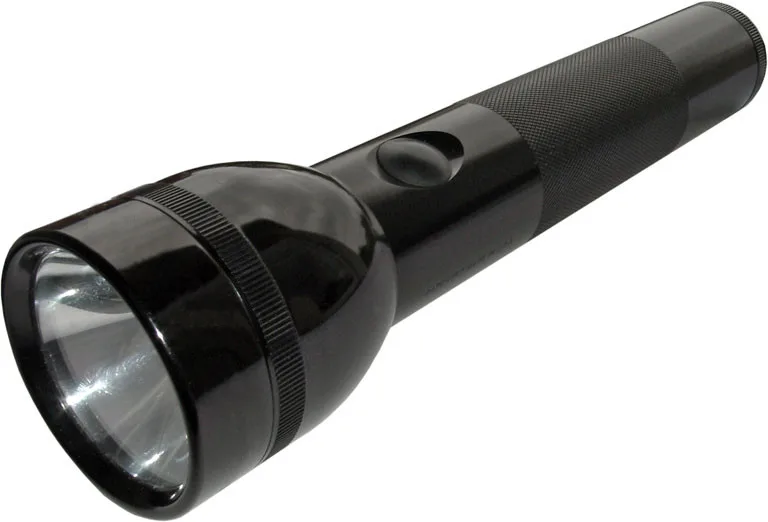
Count missing connections before estimating energy
For an illustrative kit, suppose 3 rechargeable devices require 3 separate cable connections, but only 2 suitable cables are packed. The inventory identifies 1 missing connection. It does not calculate energy demand or mean that three devices should be charged simultaneously. A planning review might allow 15 minutes to collect device specifications, 10 minutes to label cables and 15 minutes to check the documented combinations, totalling 40 minutes. These are editorial time allocations. If a specification is absent, mark it unknown and obtain it before using that device as an input to a purchasing calculation.
Record charging opportunities as assumptions
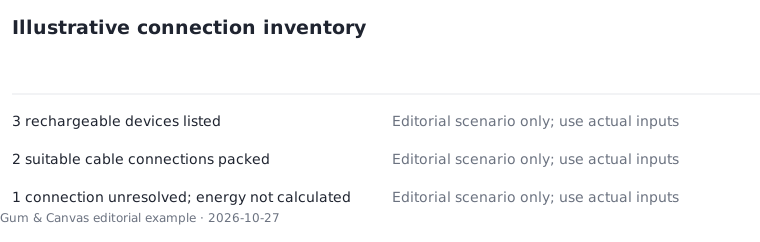
The electric lantern photograph shows another possible powered component in a kit. Its appearance does not tell you whether its power arrangement matches your lantern, or whether charging will be available at a campground. Identify which charging opportunities are confirmed and which are merely hoped for. Do not assume a vehicle socket, campsite outlet or solar accessory will supply the required result without checking the relevant equipment and access conditions. Review storage, transport and charging instructions for every battery-powered item. A list of devices helps expose dependencies; it cannot replace the manufacturer's requirements or establish a safe charging environment.
Keep the final inventory useful when plans change
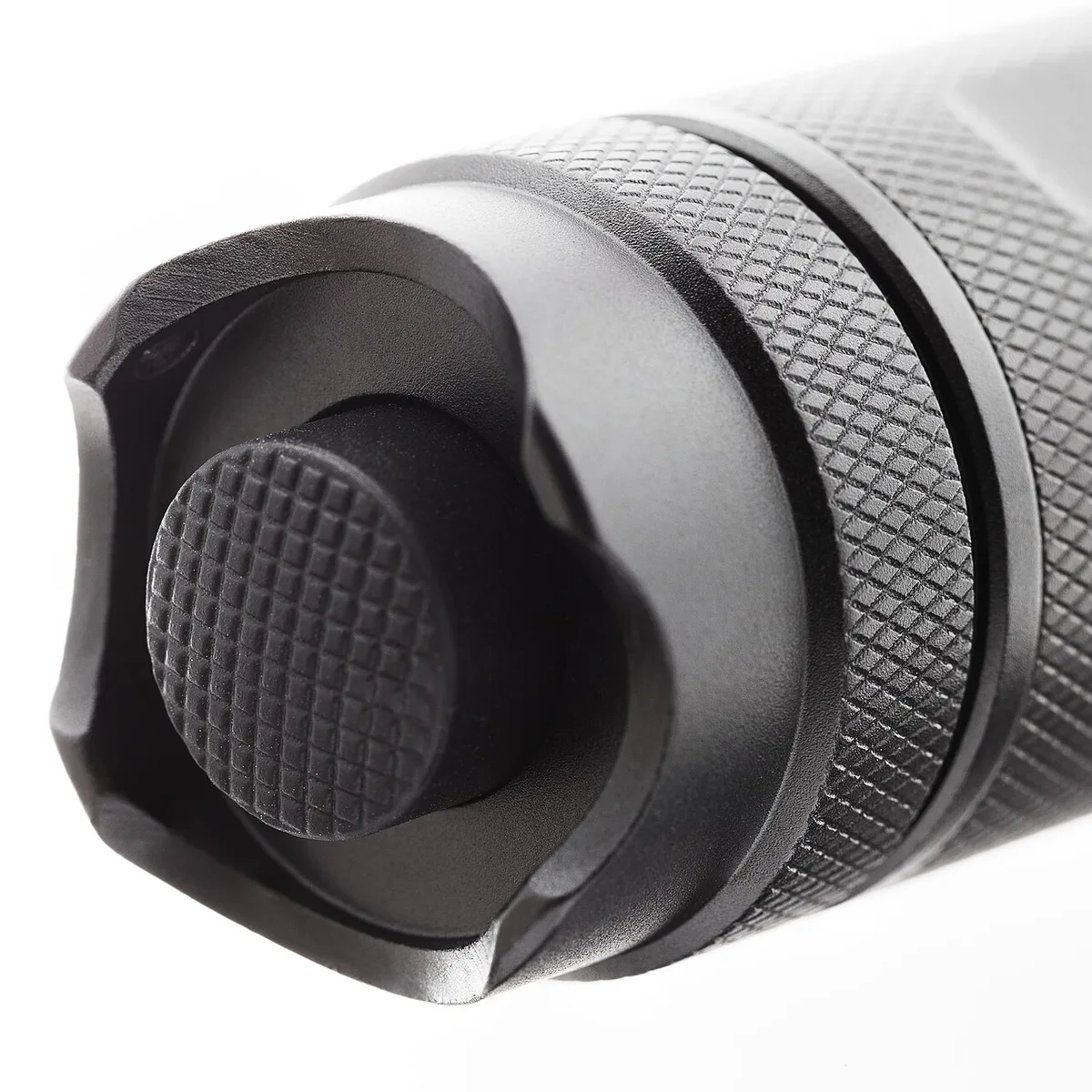
Add a column for the consequence if a device is unavailable, then decide whether the trip plan needs an alternative. The tail-cap switch photograph reminds us that operating controls and power access are distinct details: knowing how a light switches on does not mean its power needs are understood. Save model identifiers and source documents with the inventory. Recheck the list after adding or removing equipment rather than carrying forward an old capacity assumption. The purchasing outcome is a documented set of compatible requirements and unresolved questions, not a promised number of phone charges or a guarantee that power will last for the whole trip.