Let the campground facilities decide your furniture list
Verify what the booked site provides before adding tables, chairs and storage to the vehicle load.
Updated:
Read the description for the actual booked site
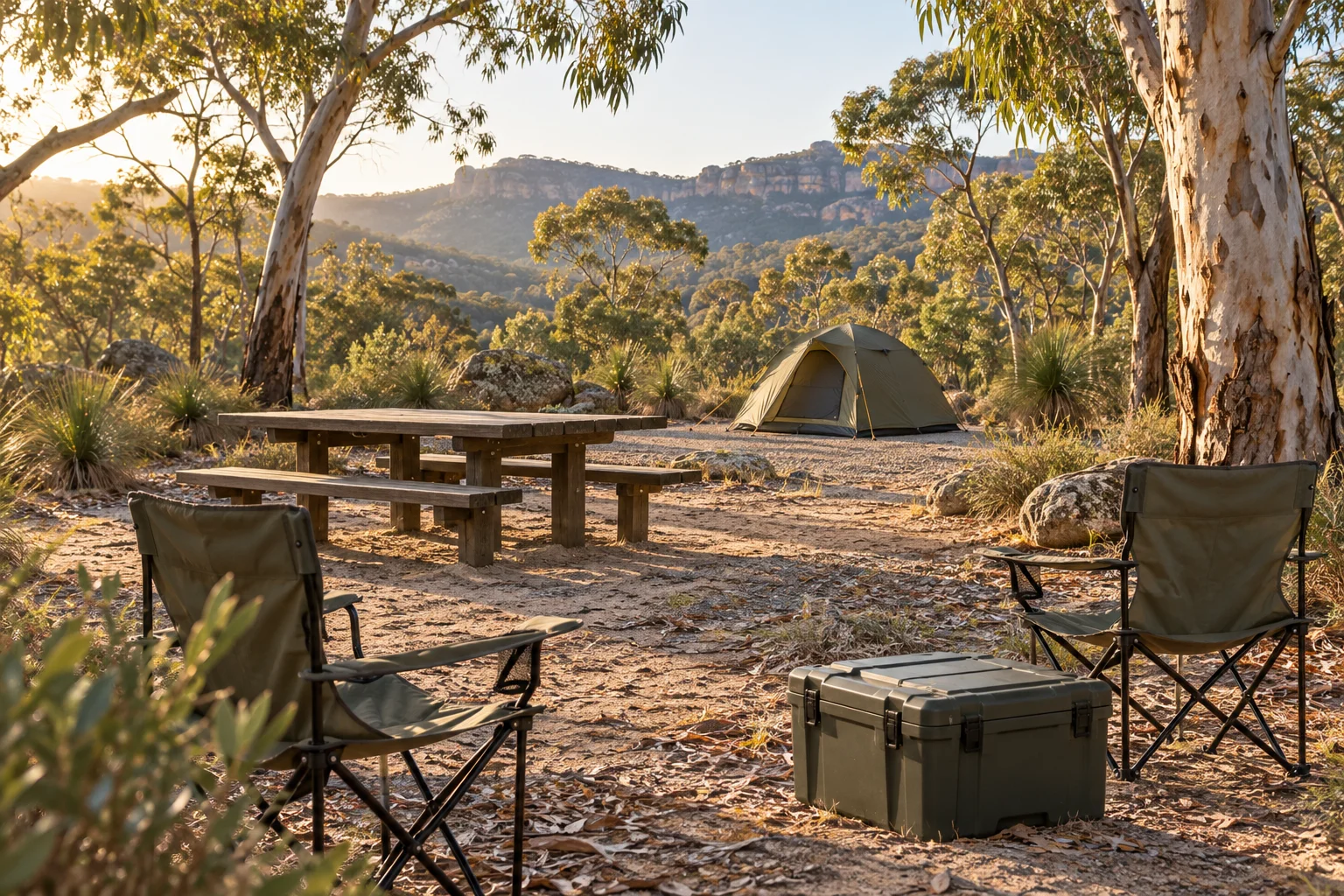
A campground may advertise facilities that are shared, seasonal or located away from the particular site you booked. Before buying furniture, read the official description for the exact destination and clarify any detail that affects your plan. Parks Victoria's packing checklist, reviewed on 2026-10-27, includes campsite equipment; this article provides an editorial method for deciding which items you need to supply yourself. It does not claim that any pictured campground has particular facilities. Keep confirmed provision separate from assumptions so a general photograph or old review cannot silently become the basis of your furniture purchase.
Distinguish provided, accessible and reserved
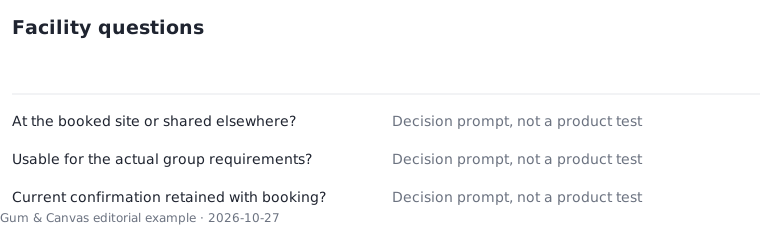
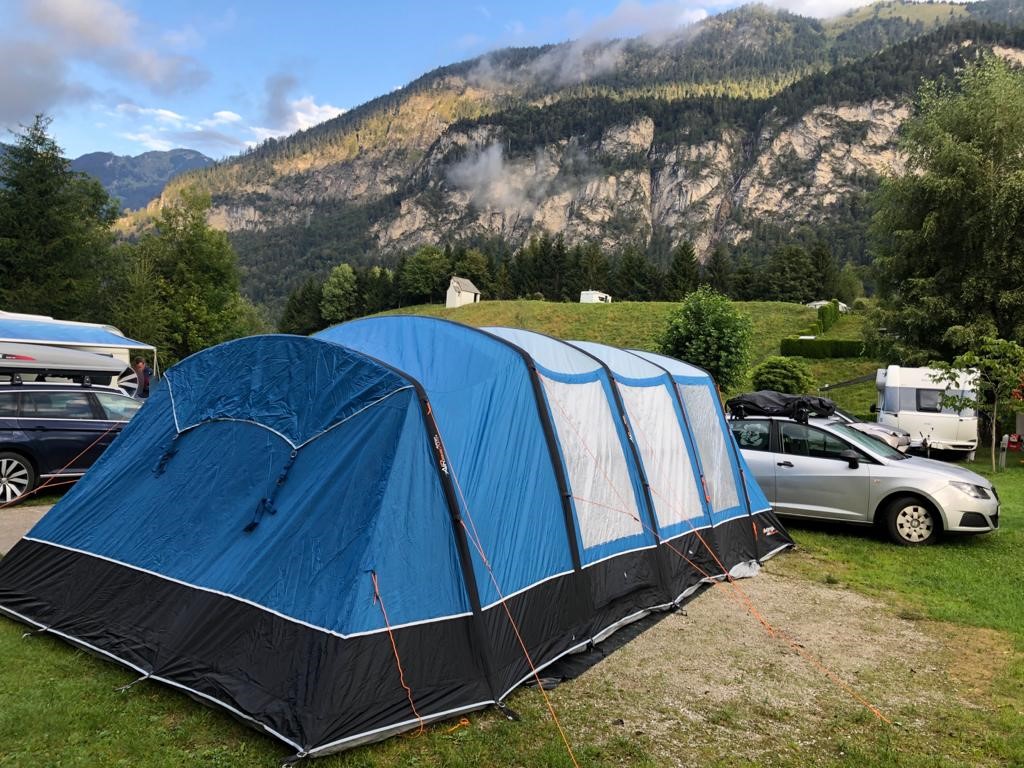
Ask whether an advertised table is at your site, shared elsewhere or subject to availability. Consider the information relevant to your group's access requirements rather than assuming that the existence of a facility makes it usable by everyone. The family-tent photograph shows vehicles and a pitched shelter in one campsite context; it is not evidence about your booking. Record the source of each facility claim and the date checked. If a critical detail is unclear, contact the land manager or operator. Do not buy around an imagined layout when a specific answer could change the equipment list.
Calculate the gap from a stated scenario
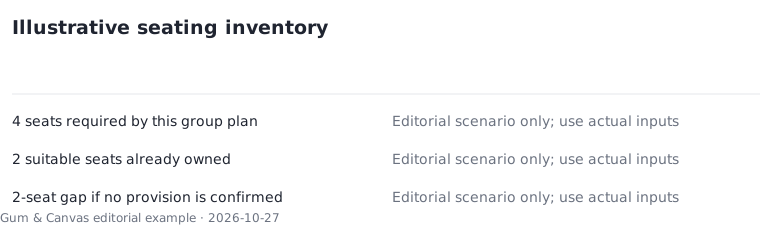
Imagine a group of 4 people whose plan requires 4 individual seats, with 2 suitable seats already owned and no confirmed seating at the booked site. The inventory gap is 2 seats under those assumptions. This does not prescribe a seating requirement for every group or establish product suitability. A planning session might allocate 10 minutes to the official listing and 15 minutes to a clarification enquiry, totalling 25 minutes of planned administration. The response may take longer. Keep unconfirmed provision marked unknown rather than subtracting it from the equipment list as though it were guaranteed.
Check the furniture around the assembled shelter
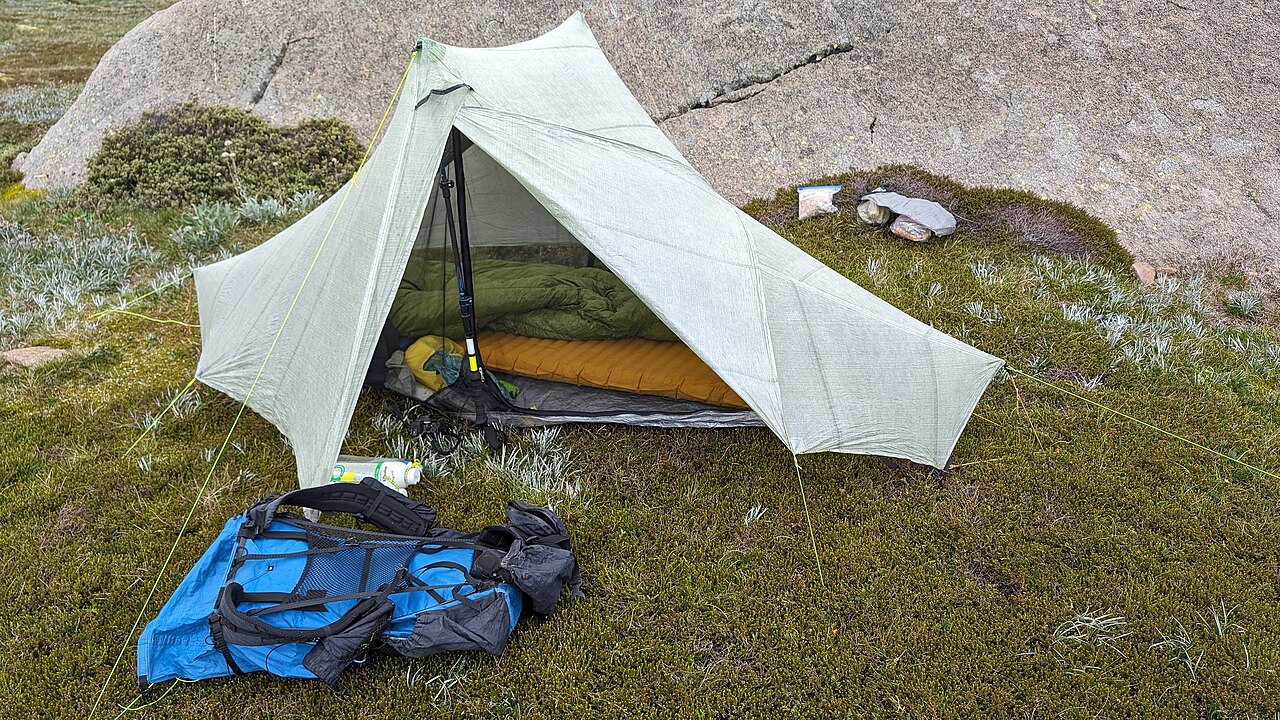
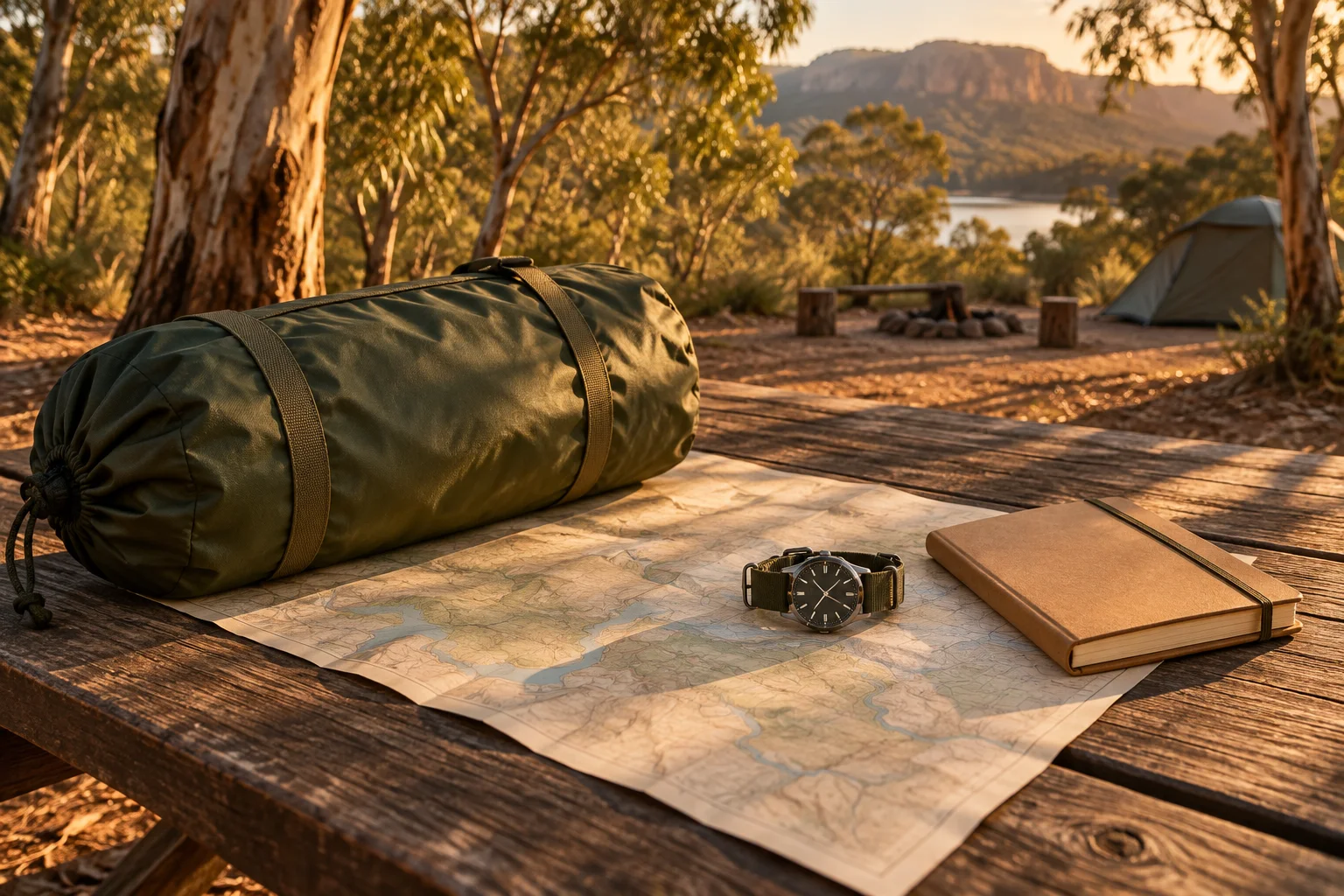
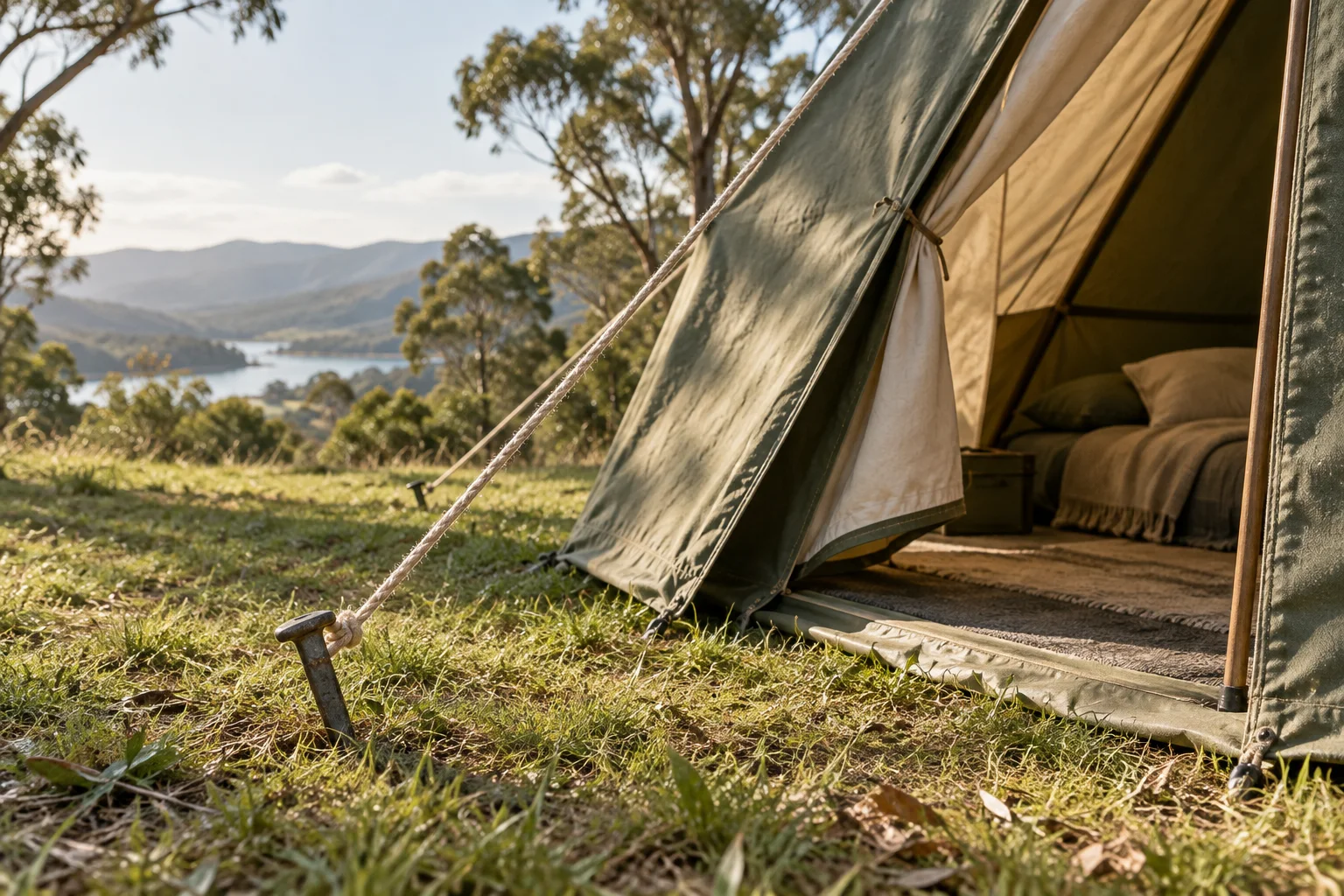
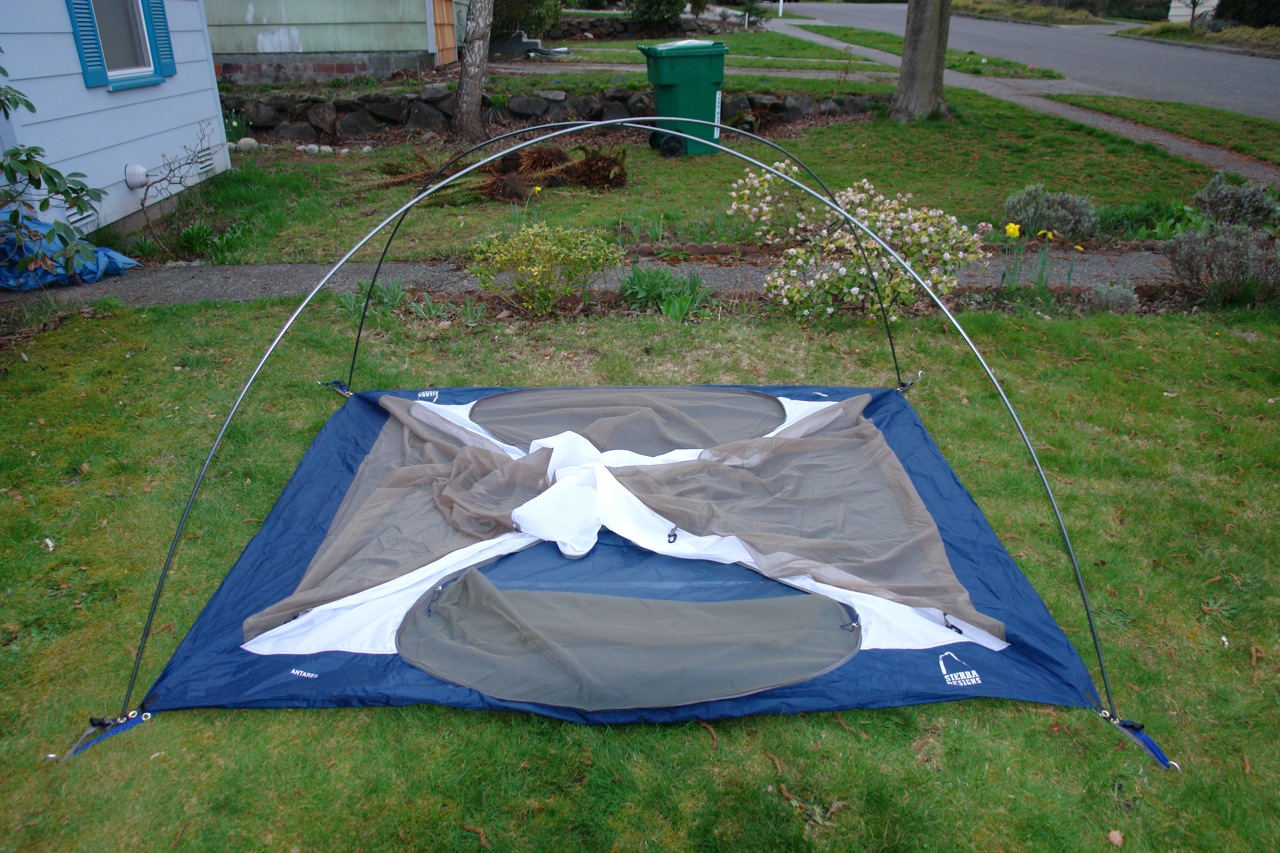
The tent-frame photograph illustrates that setup is a process with components and working space. Before packing furniture, consider the actual shelter layout and the manufacturer's clearance and access requirements. Do a permitted home arrangement trial where useful. A table that fits the vehicle may still obstruct an entrance or be inappropriate for the intended use. Follow the furniture instructions, including any stated load or surface requirements. This guide does not provide a universal clearance distance. Review whether the proposed furniture has a necessary purpose and whether the site rules permit the arrangement you are considering.
Reconcile the final list with the complete load
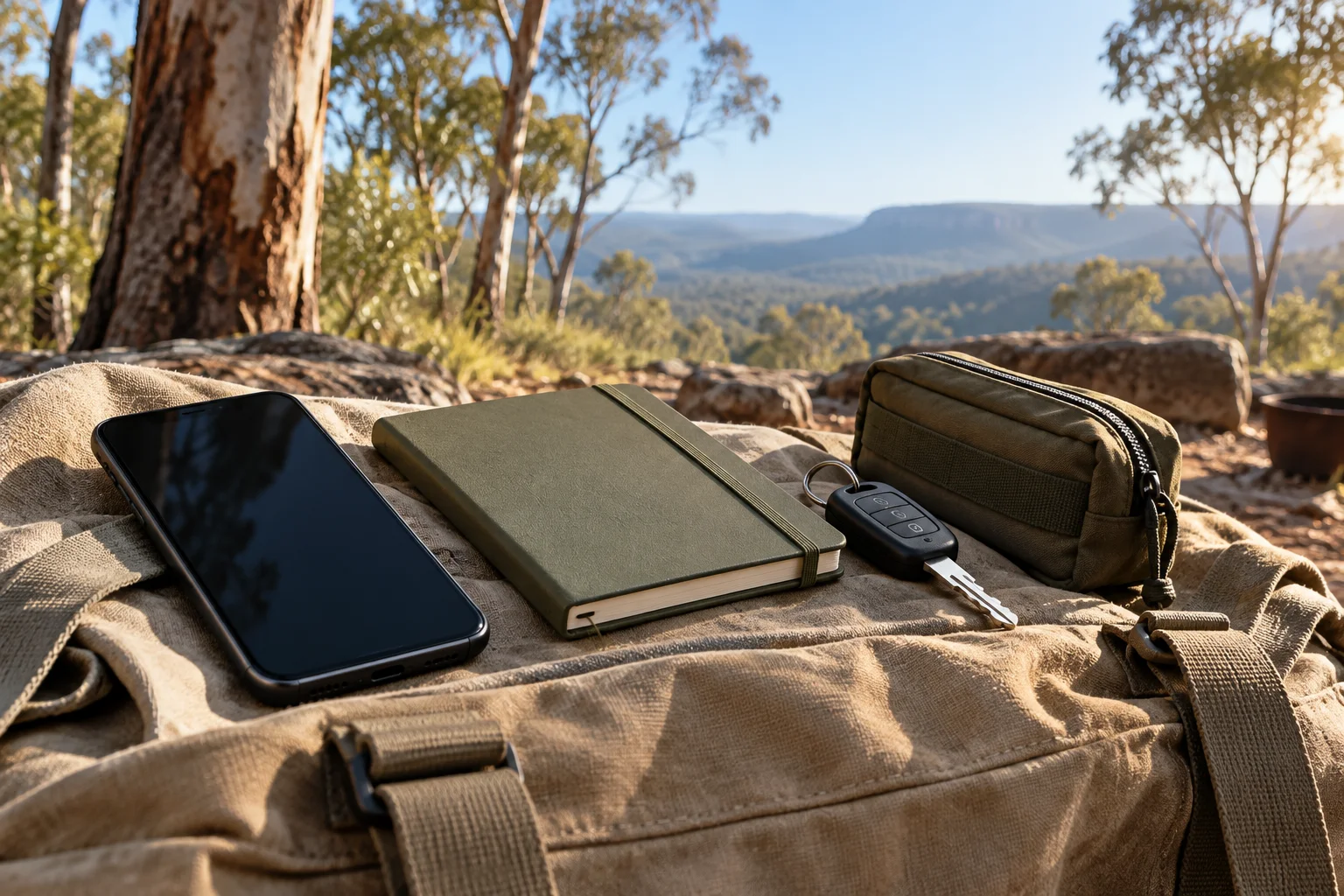
The campsite kit photograph shows that bedding and bags also occupy space; furniture is only one part of the packing problem. Update the vehicle plan after deciding what to bring, following the relevant loading and restraint requirements. Save the official facility information with the booking details and recheck important changes near departure. If the destination cannot meet a critical requirement, changing the site or trip may be more appropriate than adding another item. The purchasing outcome should be a documented gap filled by suitable equipment, not a large furniture collection justified by an unverified assumption about what the campground lacks.