Match a tent repair kit to the material you own
Identify the fabric, coating and component before buying a patch or pole accessory.
Updated:
Start with the damaged component and its documentation
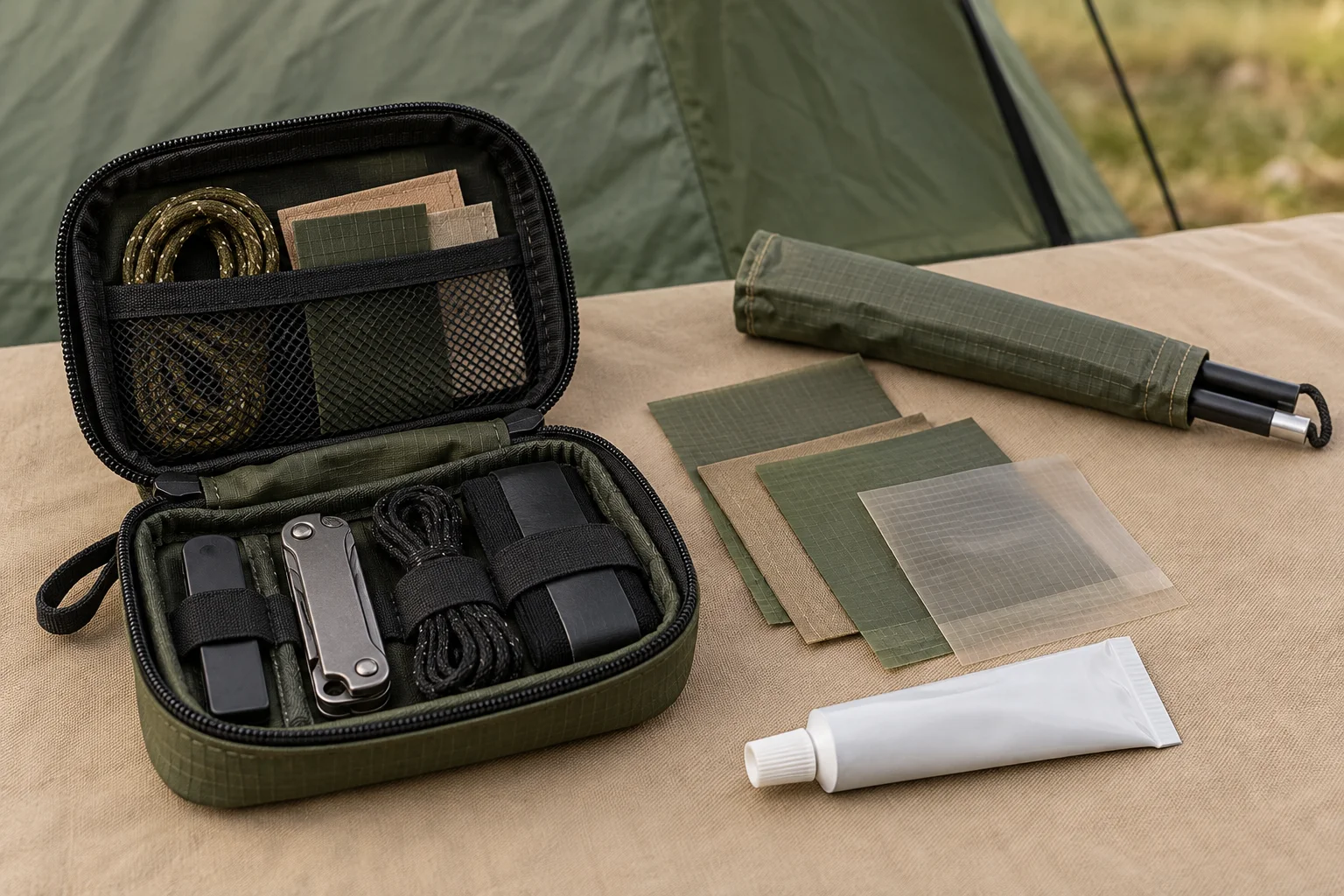
A repair kit labelled for camping is not automatically suitable for every tent. Identify the exact model and the component you are trying to support before buying patches, adhesive or pole accessories. Parks Victoria's equipment checklist, reviewed on 2026-10-27, includes repair-related preparation; this guide develops the purchasing questions without supplying a universal repair method. We have not tested adhesives, fabrics or repaired structures. Follow the manufacturer's instructions and seek its advice about whether a repair is appropriate. Some damage may require professional work, replacement equipment or a changed trip plan rather than an improvised field solution.
Distinguish the fly, floor and other materials
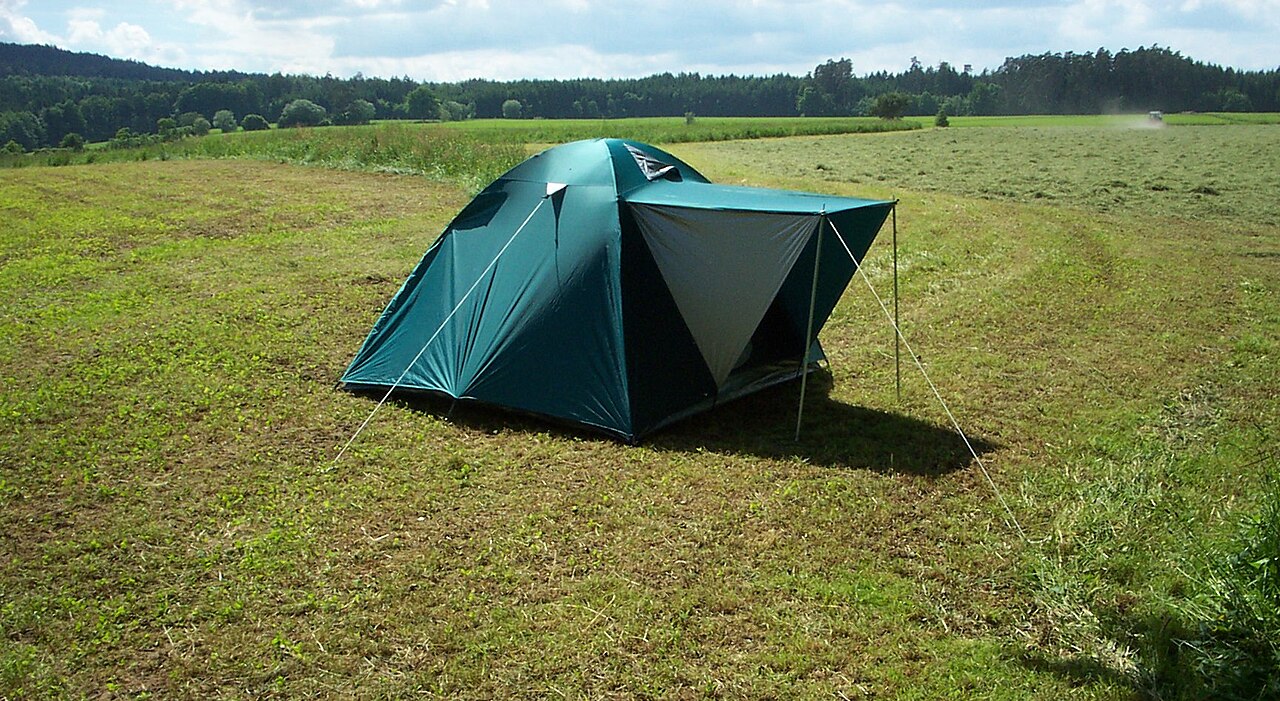
The dome-tent photograph shows separate areas of a pitched shelter. Those areas may have different specifications, and a photograph cannot reveal the coating or compatibility of an adhesive. Ask for the material and the exact product the maker recommends for that component. Record any preparation, application, curing and storage requirements from the actual instructions. Do not substitute a general instruction found for a different fabric simply because both surfaces appear similar. The buying decision is about documented compatibility, not colour matching or the number of patches included in an attractive pouch.
Inventory compatible supplies instead of counting everything
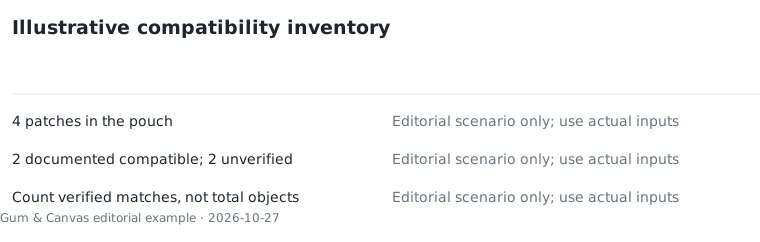
Consider an illustrative kit containing 4 patches, of which only 2 are documented as compatible with the component in question. The relevant inventory is 2 verified patches and 2 unverified items, not 4 usable repairs. That count does not establish how many repairs either patch can perform. A planning session might allocate 15 minutes to identifying the tent specification and 20 minutes to reviewing the repair-product instructions, totalling 35 minutes. These are administrative time assumptions, not adhesive curing times. Never replace a manufacturer's required waiting period with the scheduling example used in this article.
Check pole accessories against the actual system
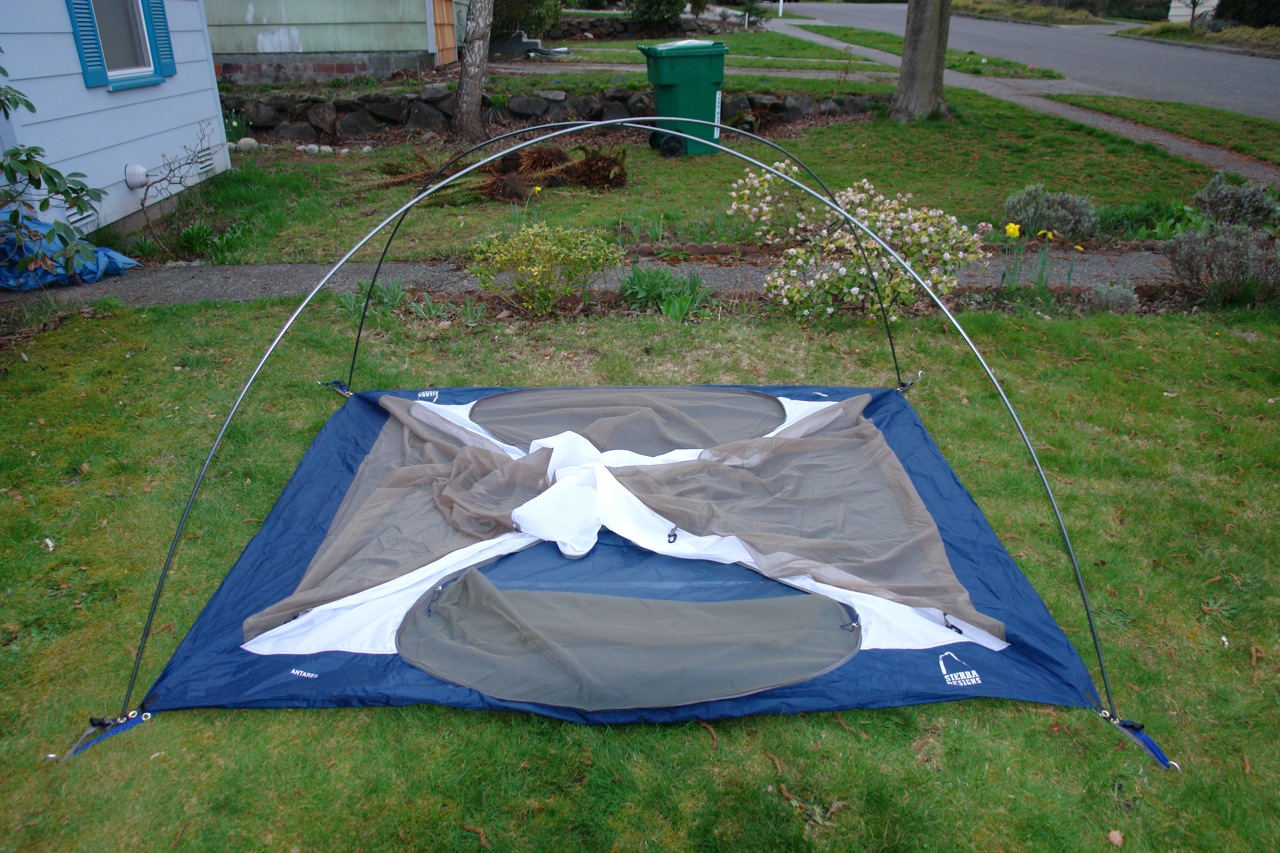
The intermediate-frame photograph shows a particular tent's pole arrangement, which is useful for seeing why the system must be identified before selecting an accessory. It is not a repair demonstration. Ask about the exact pole material, dimensions and the maker's permitted response to damage. Do not force a sleeve or replacement section into an assembly because it looks close enough. Treat an unresolved structural issue as unresolved in the departure checklist. Carrying a repair pouch does not establish that damage can be fixed safely or that the tent remains appropriate for the weather and destination.
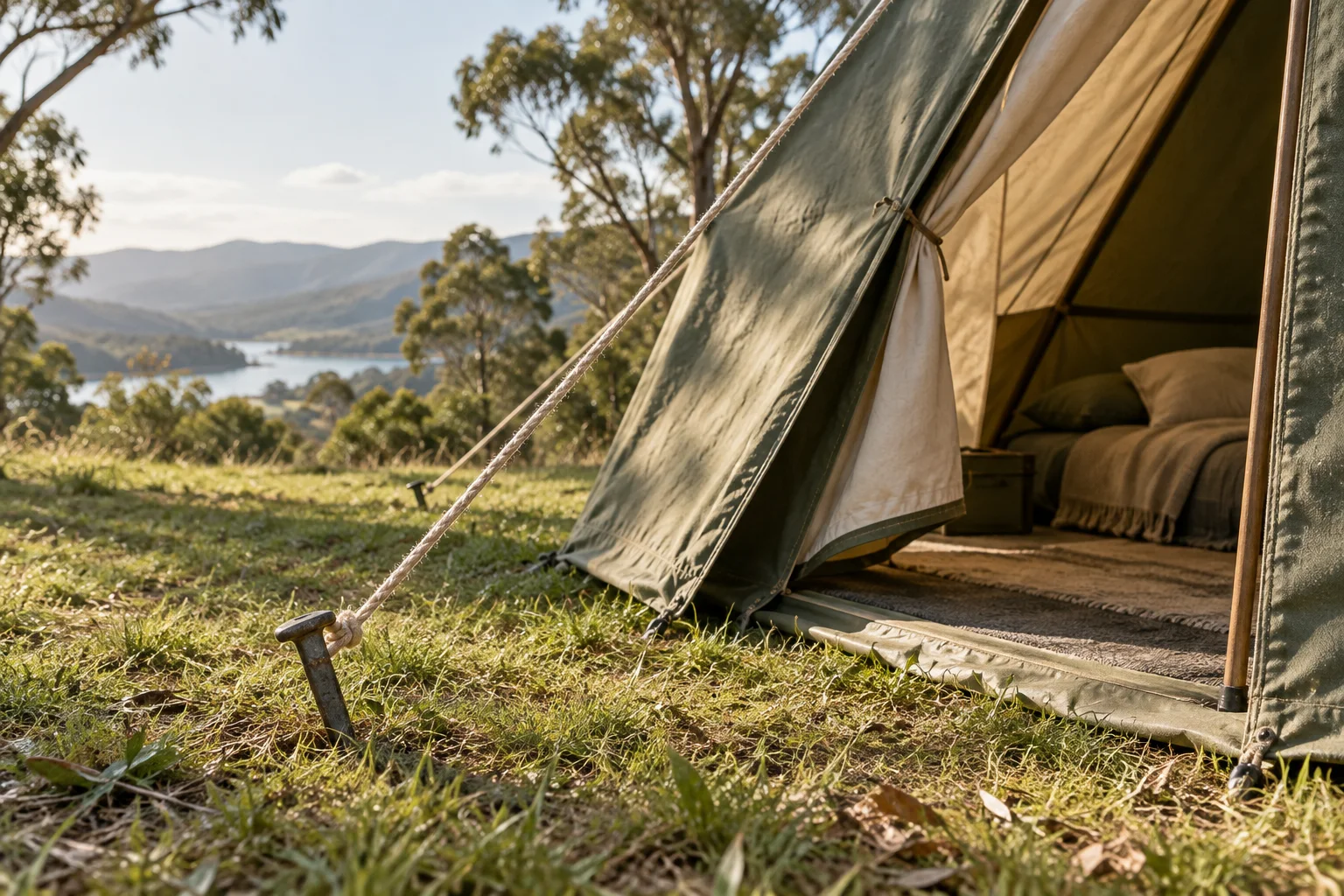
Keep the instructions with the kit
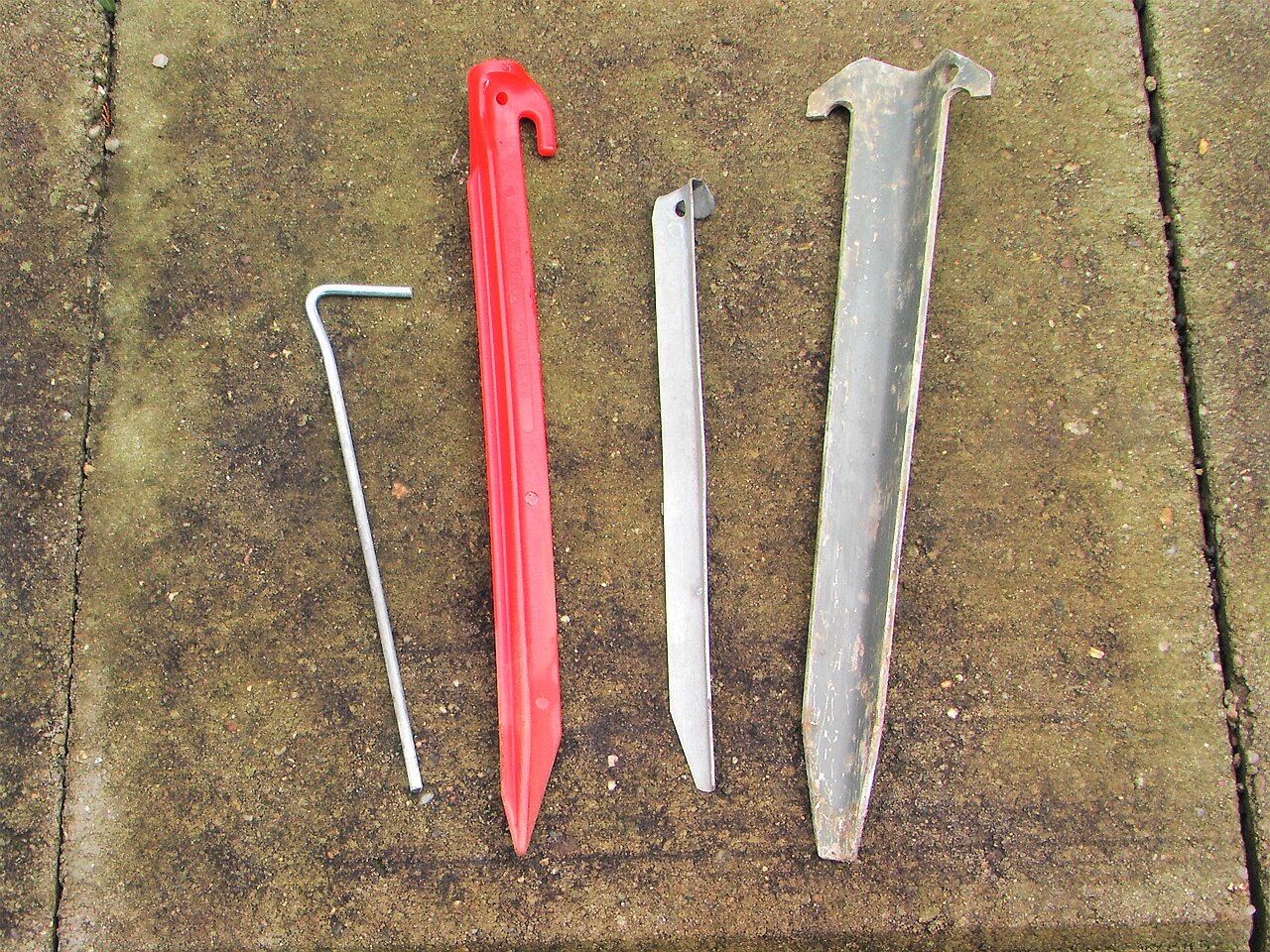
The peg photograph shows several anchoring shapes, another reminder that small components are not universally interchangeable. Record which supplies match which parts of your tent and retain the relevant instructions. Check storage conditions and any dated limitations specified by the repair-product maker. If borrowing equipment, agree with the owner before applying a repair or modification. The final kit should contain identified supplies with a clear purpose and understood limits. If the proposed repair cannot be verified, obtain appropriate assistance or replace the affected equipment. A generic collection of tape, cord and adhesive is not evidence that every campsite fault is covered.